Kan vs Operately
Learn how Kan and Operately differ in their key features, development activity, technology
stack and community adoption, so you can decide which of these project management suites is best for you.
Learn how Kan and Operately differ in their key features, development activity, technology stack and community adoption, so you can decide which of these project management suites is best for you.

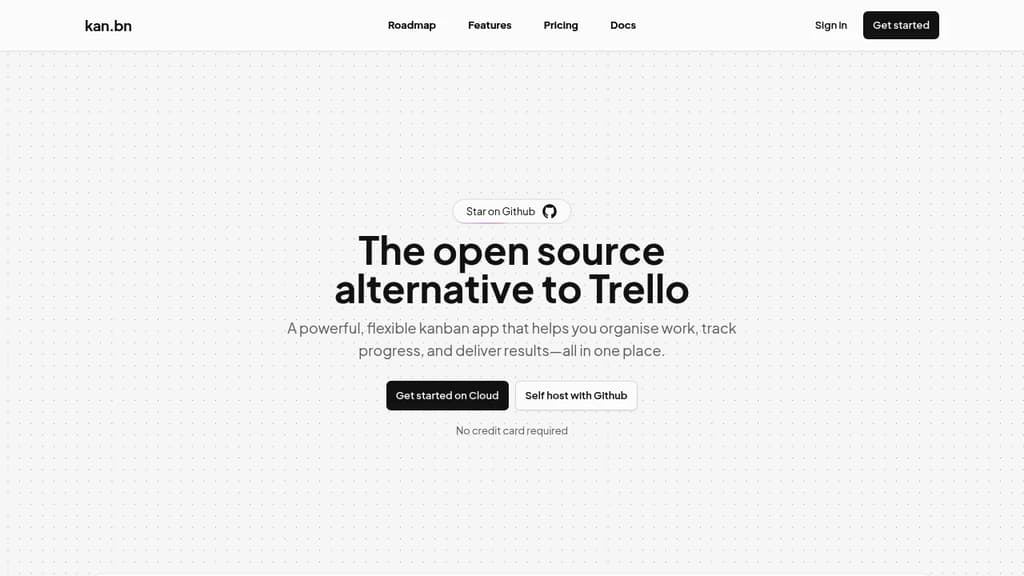
Kan
Last 30 days

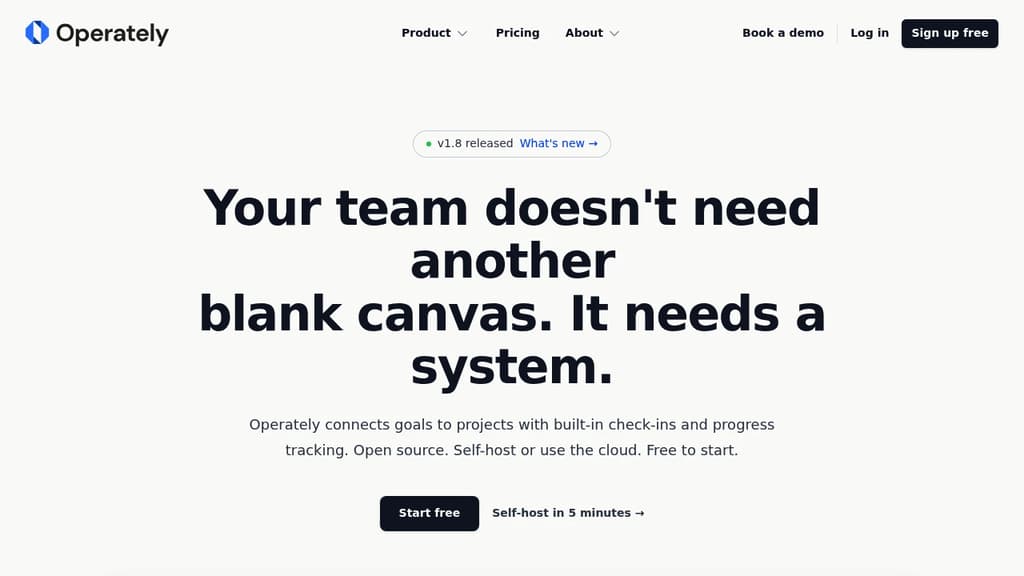
Operately
Last 30 days
Last commit
21 hours agoRepository age
4 yearsVersion
1.10.0License
Apache-2.0Self-hosted
YesRepository
operately/operately
Detailed Comparison
Both Kan and Operately have their unique strengths and serve similar purposes effectively. Consider your specific needs regarding popularity, growth, activity, technology, maturity, licensing and features when making your decision.
Both Kan and Operately have their unique strengths and serve similar purposes effectively. Consider your specific needs regarding popularity, growth, activity, technology, maturity, licensing and features when making your decision.
Community & Popularity
Kan significantly outpaces Operately in community adoption with 5,844 stars compared to 594 stars on GitHub. This 9.8x difference suggests Kan has a much larger and more active community. In terms of developer contributions, Kan has 523 forks, indicating moderate developer engagement.
Growth Momentum
Operately is growing faster, adding 33 stars in the last 30 days (+5.9%) against adding 142 stars for Kan (+2.5%). Operately is the smaller project of the two, so it is closing the gap rather than extending a lead.
Development Activity
Both projects show recent activity, with Kan last updated 7 days ago and Operately 21 hours ago.
Technology Stack
Both tools share common technology foundations, being built with JavaScript, CSS, Bash, Typescript, JSX. However, they differ in their additional technology choices: Kan uses Next.js while Operately leverages Python, Ruby, Elixir.
Project Maturity
Both projects started around the same time, with Kan beginning 3 years ago and Operately 4 years ago.
Licensing
The projects use different licenses: Kan is licensed under AGPL-3.0 while Operately uses Apache-2.0. Consider the licensing requirements when choosing for your project.
Use Cases & Features
Both tools serve similar use cases in Project Management Suites. However, they also have distinct specializations: Kan also focuses on Task Management.
Hosting & Deployment
Both Kan and Operately offer self-hosting capabilities, giving you full control over your data and infrastructure.
Other tool comparisons to consider
Kanvs
 Macro TasksKan
vs
 PlaneKan
vs
 HulyKan
vs
 Super ProductivityKan
vs
 WekanKan
vs
 OpenProjectKan
vs
 KaneoKan
vs
 PlankaKan
vs
 LeantimeKan
vs
 RedmineKan
vs
 VikunjaKan
vs
 WorklenzKan
vs
 KanriKan
vs
 TaigaKan
vs
 KanbaKan
vs
 Ever TeamsKan
vs
 WindshiftKan
vs
 OrgniseKan
vs
 ManageKan
vs
 SayrKan
vs
 MimraiOperately
vs
PlaneOperatelyvs
HulyOperatelyvs
WekanOperatelyvs
OpenProjectOperatelyvs
PlankaOperatelyvs
LeantimeOperatelyvs
RedmineOperatelyvs
VikunjaOperatelyvs
WorklenzOperatelyvs
TaigaOperatelyvs
KanbaOperatelyvs
Ever TeamsOperatelyvs
WindshiftOperatelyvs
OrgniseOperatelyvs
ManageOperatelyvs
SayrOperatelyvs
Mimrai CodeRabbit – The leading AI Code Review platform. Ship better quality code in 50% less time, with 90% fewer bugs.