Ever Teams vs Plane
Learn how Ever Teams and Plane differ in their key features, development activity, technology
stack and community adoption, so you can decide which of these project management suites is best for you.
Learn how Ever Teams and Plane differ in their key features, development activity, technology stack and community adoption, so you can decide which of these project management suites is best for you.

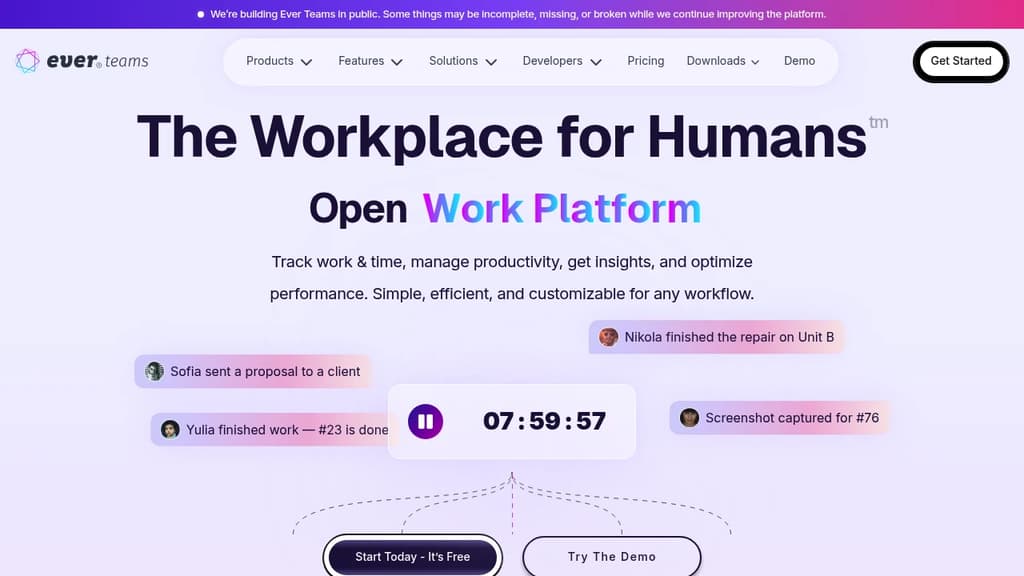
Ever Teams
Last 30 days
Last commit
10 hours agoRepository age
4 yearsVersion
v0.325.2License
AGPL-3.0Repository
ever-co/ever-teams

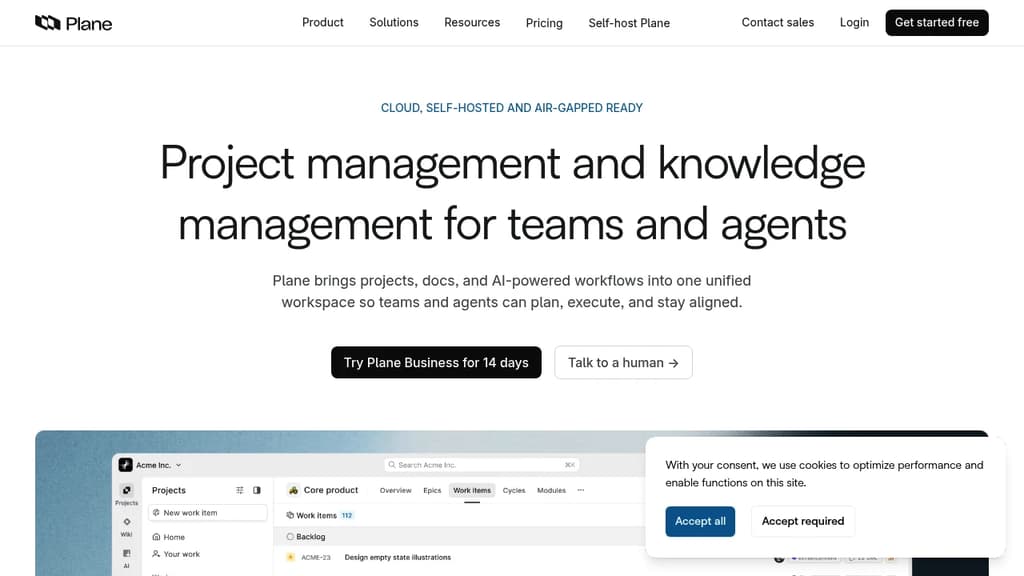
Plane
Last 30 days
Last commit
1 day agoRepository age
4 yearsVersion
v1.5.1License
AGPL-3.0Self-hosted
YesRepository
makeplane/plane
Detailed Comparison
Plane appears to have several advantages over Ever Teams, particularly in popularity, growth and features. Consider your specific needs regarding popularity, growth, activity, technology, maturity, licensing and features when making your decision.
Plane appears to have several advantages over Ever Teams, particularly in popularity, growth and features. Consider your specific needs regarding popularity, growth, activity, technology, maturity, licensing and features when making your decision.
Community & Popularity
Plane significantly outpaces Ever Teams in community adoption with 63,296 stars compared to 611 stars on GitHub. This 103.6x difference suggests Plane has a much larger and more active community. In terms of developer contributions, Plane has 6,560 forks, indicating strong developer engagement.
Growth Momentum
Plane is growing faster, adding 1,621 stars in the last 30 days (+2.6%) against adding 11 stars for Ever Teams (+1.8%). Plane is both larger and pulling further ahead.
Development Activity
Both projects show recent activity, with Ever Teams last updated 10 hours ago and Plane 1 day ago.
Technology Stack
Both tools share common technology foundations, being built with JavaScript, CSS, Bash, Typescript, JSX, Next.js. However, they differ in their additional technology choices: Plane leverages Python.
Project Maturity
Both projects started around the same time, with Ever Teams beginning 4 years ago and Plane 4 years ago.
Licensing
Both projects use the AGPL-3.0 license, providing identical terms for usage and distribution.
Use Cases & Features
Both tools serve similar use cases in Project Management Suites, Collaborative Workspaces. However, they also have distinct specializations: Ever Teams also focuses on Time Tracking while Plane extends into Agile Project Management.
Hosting & Deployment
Plane provides self-hosting options for complete data control and customization, while Ever Teams may be primarily cloud-based or require different deployment approaches.
Other tool comparisons to consider
Ever Teamsvs
 It's a PlanEver Teams
vs
 HulyEver Teams
vs
 WekanEver Teams
vs
 OpenProjectEver Teams
vs
 PlankaEver Teams
vs
 LeantimeEver Teams
vs
 SolidTimeEver Teams
vs
 RedmineEver Teams
vs
 KanEver Teams
vs
 VikunjaEver Teams
vs
 KimaiEver Teams
vs
 WorklenzEver Teams
vs
 TaigaEver Teams
vs
 KanbaEver Teams
vs
 WindshiftEver Teams
vs
 OperatelyEver Teams
vs
 OrgniseEver Teams
vs
 ManageEver Teams
vs
 MimraiEver Teams
vs
 SayrPlane
vs
It's a PlanPlanevs
HulyPlanevs
WekanPlanevs
OpenProjectPlanevs
PlankaPlanevs
LeantimePlanevs
 FizzyPlane
vs
RedminePlanevs
KanPlanevs
VikunjaPlanevs
WorklenzPlanevs
 KanriPlane
vs
TaigaPlanevs
KanbaPlanevs
WindshiftPlanevs
OperatelyPlanevs
OrgnisePlanevs
ManagePlanevs
MimraiPlanevs
Sayr InfluxDB – The purpose-built time series platform for high-velocity ingestion and real-time queries at scale.