Ever Teams vs Planka
Learn how Ever Teams and Planka differ in their key features, development activity, technology
stack and community adoption, so you can decide which of these project management suites is best for you.
Learn how Ever Teams and Planka differ in their key features, development activity, technology stack and community adoption, so you can decide which of these project management suites is best for you.

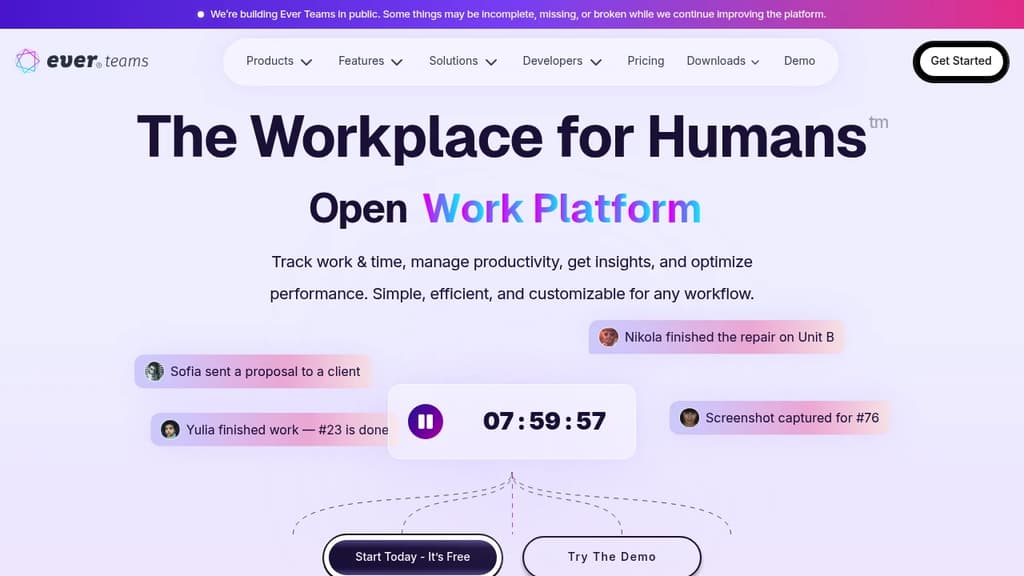
Ever Teams
Last 30 days
Last commit
7 hours agoRepository age
4 yearsVersion
v0.142.6License
AGPL-3.0Repository
ever-co/ever-teams

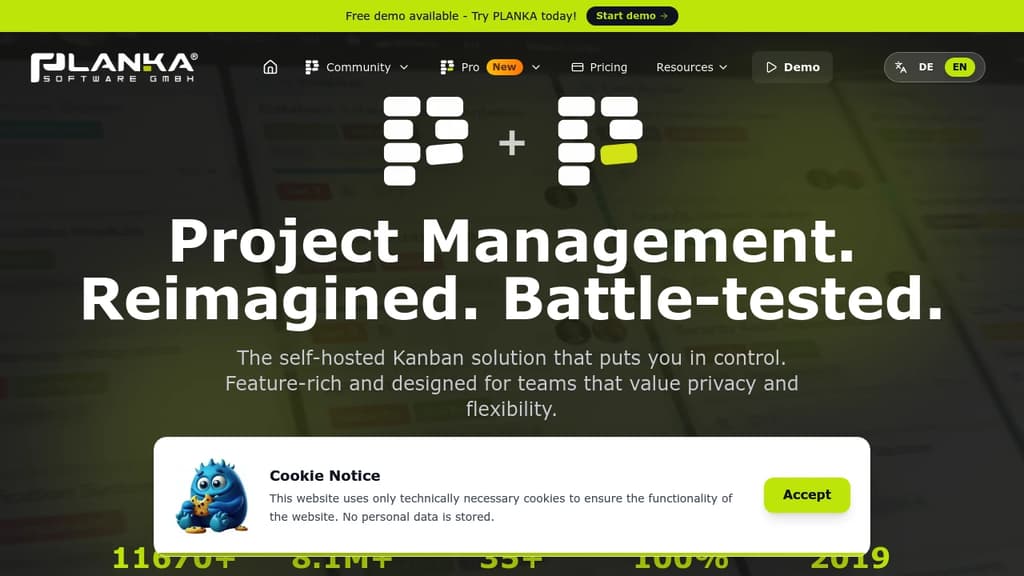
Planka
Last 30 days
Last commit
1 day agoRepository age
7 yearsVersion
v2.2.1Self-hosted
YesRepository
plankanban/planka
Detailed Comparison
Both Ever Teams and Planka have their unique strengths and serve similar purposes effectively. Consider your specific needs regarding popularity, growth, activity, technology, maturity, licensing and features when making your decision.
Both Ever Teams and Planka have their unique strengths and serve similar purposes effectively. Consider your specific needs regarding popularity, growth, activity, technology, maturity, licensing and features when making your decision.
Community & Popularity
Planka significantly outpaces Ever Teams in community adoption with 12,625 stars compared to 589 stars on GitHub. This 21.4x difference suggests Planka has a much larger and more active community. In terms of developer contributions, Planka has 1,386 forks, indicating strong developer engagement.
Growth Momentum
Ever Teams is growing faster, adding 7 stars in the last 30 days (+1.2%) against adding 61 stars for Planka (+0.5%). Ever Teams is the smaller project of the two, so it is closing the gap rather than extending a lead.
Development Activity
Both projects show recent activity, with Ever Teams last updated 7 hours ago and Planka 1 day ago.
Technology Stack
Both tools share common technology foundations, being built with JavaScript, CSS, Bash, JSX. However, they differ in their additional technology choices: Ever Teams uses Typescript, Next.js while Planka leverages Python, SCSS.
Project Maturity
Planka has been in development longer, starting 7 years ago, compared to Ever Teams which began 4 years ago. This 3.2-year head start suggests Planka may have more mature features and established processes.
Licensing
Ever Teams is licensed under AGPL-3.0, while Planka's license terms are not publicly specified.
Use Cases & Features
Both tools serve similar use cases in Project Management Suites. However, they also have distinct specializations: Ever Teams also focuses on Collaborative Workspaces, Time Tracking while Planka extends into Task Management, Agile Project Management.
Hosting & Deployment
Planka provides self-hosting options for complete data control and customization, while Ever Teams may be primarily cloud-based or require different deployment approaches.
Other tool comparisons to consider
Ever Teamsvs
 PlaneEver Teams
vs
 HulyEver Teams
vs
 WekanEver Teams
vs
 OpenProjectEver Teams
vs
 LeantimeEver Teams
vs
 SolidTimeEver Teams
vs
 RedmineEver Teams
vs
 KanEver Teams
vs
 VikunjaEver Teams
vs
 KimaiEver Teams
vs
 WorklenzEver Teams
vs
 TaigaEver Teams
vs
 KanbaEver Teams
vs
 OperatelyEver Teams
vs
 WindshiftEver Teams
vs
 OrgniseEver Teams
vs
 ManageEver Teams
vs
 SayrEver Teams
vs
 MimraiPlanka
vs
 Macro TasksPlanka
vs
PlanePlankavs
HulyPlankavs
 Super ProductivityPlanka
vs
WekanPlankavs
OpenProjectPlankavs
 KaneoPlanka
vs
LeantimePlankavs
 FizzyPlanka
vs
RedminePlankavs
KanPlankavs
VikunjaPlankavs
WorklenzPlankavs
 KanriPlanka
vs
TaigaPlankavs
KanbaPlankavs
OperatelyPlankavs
WindshiftPlankavs
OrgnisePlankavs
ManagePlankavs
SayrPlankavs
Mimrai Capture – Capture screenshots, generate PDFs, scrape content, extract metadata, and automate browsers with one API.