Ever Teams vs Windshift
Learn how Ever Teams and Windshift differ in their key features, development activity, technology
stack and community adoption, so you can decide which of these project management suites is best for you.
Learn how Ever Teams and Windshift differ in their key features, development activity, technology stack and community adoption, so you can decide which of these project management suites is best for you.

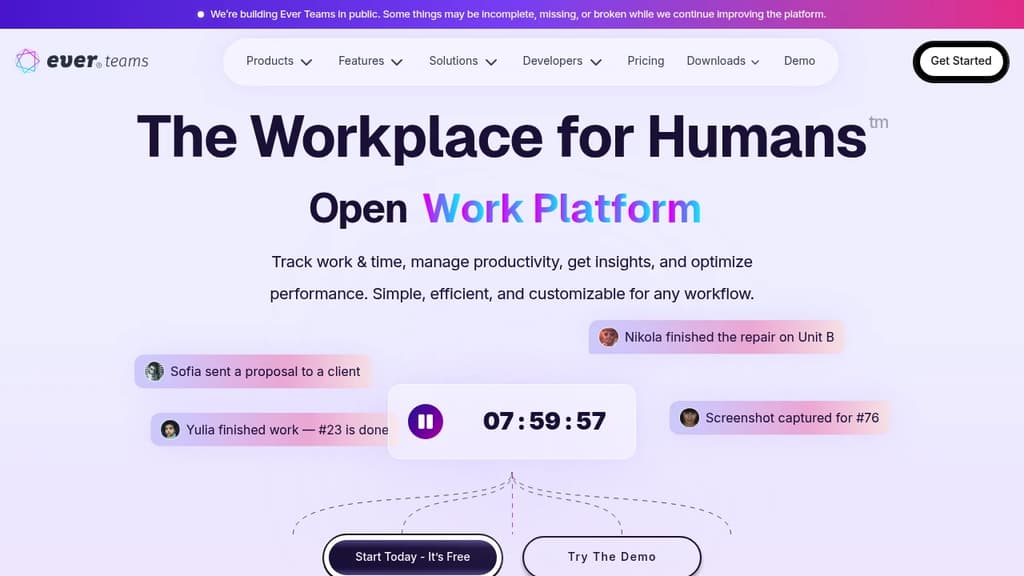
Ever Teams
Last 30 days
Last commit
3 days agoRepository age
4 yearsVersion
v0.140.6License
AGPL-3.0Repository
ever-co/ever-teams

Windshift
Last 30 days
Last commit
10 hours agoRepository age
10 monthsVersion
v0.8.9License
AGPL-3.0Self-hosted
YesRepository
windshiftapp/core
Detailed Comparison
Both Ever Teams and Windshift have their unique strengths and serve similar purposes effectively. Consider your specific needs regarding popularity, growth, activity, technology, maturity, licensing and features when making your decision.
Both Ever Teams and Windshift have their unique strengths and serve similar purposes effectively. Consider your specific needs regarding popularity, growth, activity, technology, maturity, licensing and features when making your decision.
Community & Popularity
Ever Teams leads in popularity with 588 stars vs 343 stars for Windshift. The 71% higher star count indicates stronger community adoption. In terms of developer contributions, Ever Teams has 111 forks, indicating moderate developer engagement.
Growth Momentum
Windshift is growing faster, adding 173 stars in the last 30 days (+102%) against adding 16 stars for Ever Teams (+2.8%). Windshift is the smaller project of the two, so it is closing the gap rather than extending a lead.
Development Activity
Both projects show recent activity, with Ever Teams last updated 3 days ago and Windshift 10 hours ago.
Technology Stack
Both tools share common technology foundations, being built with JavaScript, CSS, Bash, Typescript, JSX. However, they differ in their additional technology choices: Ever Teams uses Next.js while Windshift leverages Python, Golang, Tauri.
Project Maturity
Ever Teams has been in development longer, starting 4 years ago, compared to Windshift which began 10 months ago. This 3.2-year head start suggests Ever Teams may have more mature features and established processes.
Licensing
Both projects use the AGPL-3.0 license, providing identical terms for usage and distribution.
Use Cases & Features
Both tools serve similar use cases in Project Management Suites. However, they also have distinct specializations: Ever Teams also focuses on Collaborative Workspaces, Time Tracking.
Hosting & Deployment
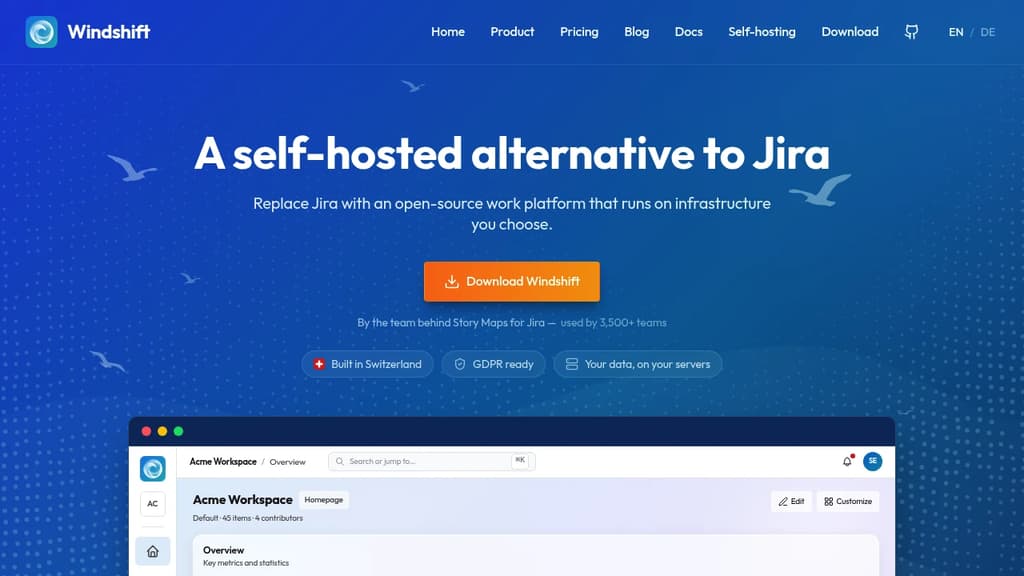
Windshift provides self-hosting options for complete data control and customization, while Ever Teams may be primarily cloud-based or require different deployment approaches.
Other tool comparisons to consider
Ever Teamsvs
 PlaneEver Teams
vs
 HulyEver Teams
vs
 WekanEver Teams
vs
 OpenProjectEver Teams
vs
 PlankaEver Teams
vs
 LeantimeEver Teams
vs
 SolidTimeEver Teams
vs
 RedmineEver Teams
vs
 KanEver Teams
vs
 VikunjaEver Teams
vs
 KimaiEver Teams
vs
 WorklenzEver Teams
vs
 TaigaEver Teams
vs
 KanbaEver Teams
vs
 OperatelyEver Teams
vs
 OrgniseEver Teams
vs
 ManageEver Teams
vs
 SayrEver Teams
vs
 MimraiWindshift
vs
PlaneWindshiftvs
HulyWindshiftvs
WekanWindshiftvs
OpenProjectWindshiftvs
PlankaWindshiftvs
LeantimeWindshiftvs
RedmineWindshiftvs
KanWindshiftvs
VikunjaWindshiftvs
WorklenzWindshiftvs
TaigaWindshiftvs
KanbaWindshiftvs
OperatelyWindshiftvs
OrgniseWindshiftvs
ManageWindshiftvs
SayrWindshiftvs
Mimrai Stellar Hosted – Managed Open Source software hosting in the EU: secure, compliant, fast.