Windshift vs Worklenz
Learn how Windshift and Worklenz differ in their key features, development activity, technology
stack and community adoption, so you can decide which of these project management suites is best for you.
Learn how Windshift and Worklenz differ in their key features, development activity, technology stack and community adoption, so you can decide which of these project management suites is best for you.

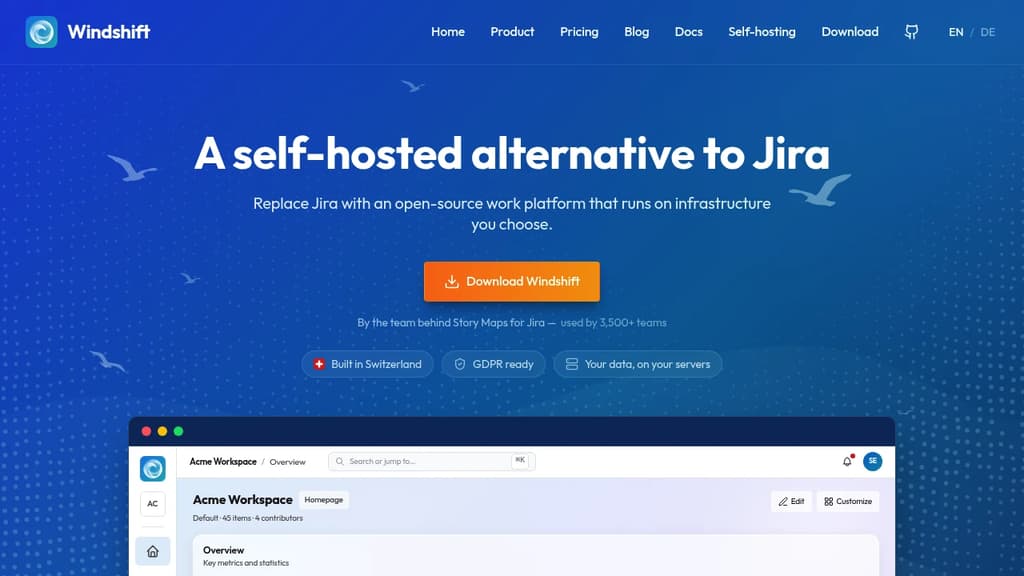
Windshift
Last 30 days
Last commit
10 hours agoRepository age
10 monthsVersion
v0.8.9License
AGPL-3.0Self-hosted
YesRepository
windshiftapp/core

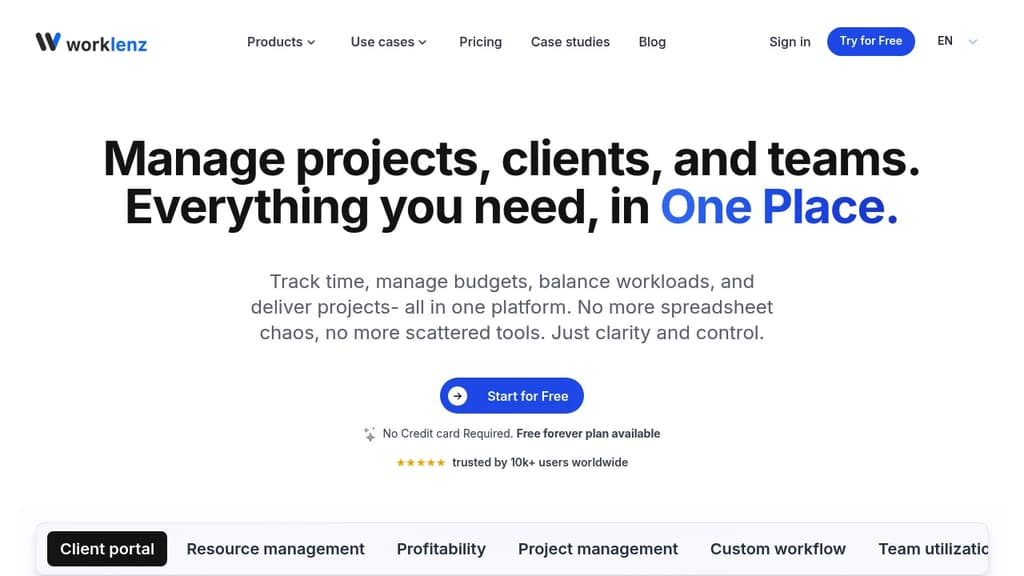
Worklenz
Last 30 days
Last commit
3 hours agoRepository age
2 yearsVersion
v3.2.0License
AGPL-3.0Repository
worklenz/worklenz
Detailed Comparison
Both Windshift and Worklenz have their unique strengths and serve similar purposes effectively. Consider your specific needs regarding popularity, growth, activity, technology, maturity, licensing and features when making your decision.
Both Windshift and Worklenz have their unique strengths and serve similar purposes effectively. Consider your specific needs regarding popularity, growth, activity, technology, maturity, licensing and features when making your decision.
Community & Popularity
Worklenz significantly outpaces Windshift in community adoption with 3,245 stars compared to 343 stars on GitHub. This 9.5x difference suggests Worklenz has a much larger and more active community. In terms of developer contributions, Worklenz has 382 forks, indicating moderate developer engagement.
Growth Momentum
Windshift is growing faster, adding 173 stars in the last 30 days (+102%) against adding 69 stars for Worklenz (+2.2%). Windshift is the smaller project of the two, so it is closing the gap rather than extending a lead.
Development Activity
Both projects show recent activity, with Windshift last updated 10 hours ago and Worklenz 3 hours ago.
Technology Stack
Both tools share common technology foundations, being built with JavaScript, CSS, Bash, Typescript, JSX. However, they differ in their additional technology choices: Windshift uses Python, Golang, Tauri while Worklenz leverages SCSS.
Project Maturity
Worklenz has been in development longer, starting 2 years ago, compared to Windshift which began 10 months ago. This 1.6-year head start suggests Worklenz may have more mature features and established processes.
Licensing
Both projects use the AGPL-3.0 license, providing identical terms for usage and distribution.
Use Cases & Features
Both tools serve similar use cases in Project Management Suites. However, they also have distinct specializations: Worklenz extends into Task Management.
Hosting & Deployment
Windshift provides self-hosting options for complete data control and customization, while Worklenz may be primarily cloud-based or require different deployment approaches.
Other tool comparisons to consider
Windshiftvs
 PlaneWindshift
vs
 HulyWindshift
vs
 WekanWindshift
vs
 OpenProjectWindshift
vs
 PlankaWindshift
vs
 LeantimeWindshift
vs
 RedmineWindshift
vs
 KanWindshift
vs
 VikunjaWindshift
vs
 TaigaWindshift
vs
 KanbaWindshift
vs
 OperatelyWindshift
vs
 Ever TeamsWindshift
vs
 OrgniseWindshift
vs
 ManageWindshift
vs
 SayrWindshift
vs
 MimraiWorklenz
vs
 Macro TasksWorklenz
vs
PlaneWorklenzvs
HulyWorklenzvs
WekanWorklenzvs
OpenProjectWorklenzvs
 KaneoWorklenz
vs
PlankaWorklenzvs
LeantimeWorklenzvs
RedmineWorklenzvs
KanWorklenzvs
VikunjaWorklenzvs
 KanriWorklenz
vs
TaigaWorklenzvs
KanbaWorklenzvs
OperatelyWorklenzvs
Ever TeamsWorklenzvs
OrgniseWorklenzvs
ManageWorklenzvs
SayrWorklenzvs
Mimrai Postiz – The All-in-One agentic social media scheduling tool