Puter vs Seafile
Learn how Puter and Seafile differ in their key features, development activity, technology
stack and community adoption, so you can decide which of these cloud file sync & share tools is best for you.
Learn how Puter and Seafile differ in their key features, development activity, technology stack and community adoption, so you can decide which of these cloud file sync & share tools is best for you.

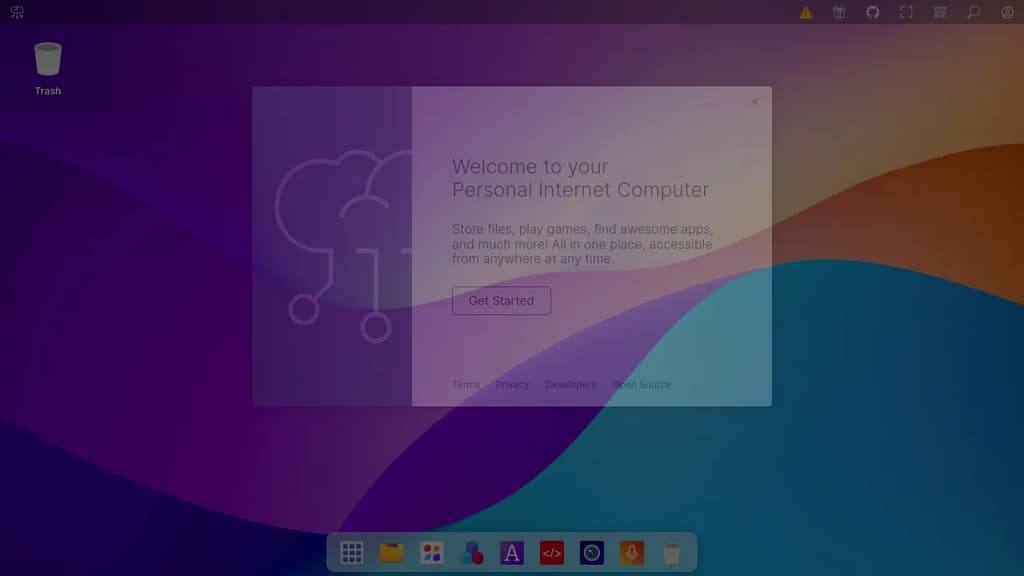
Puter
Last 30 days
Last commit
9 hours agoRepository age
3 yearsVersion
26.10License
AGPL-3.0Self-hosted
YesRepository
heyputer/puter

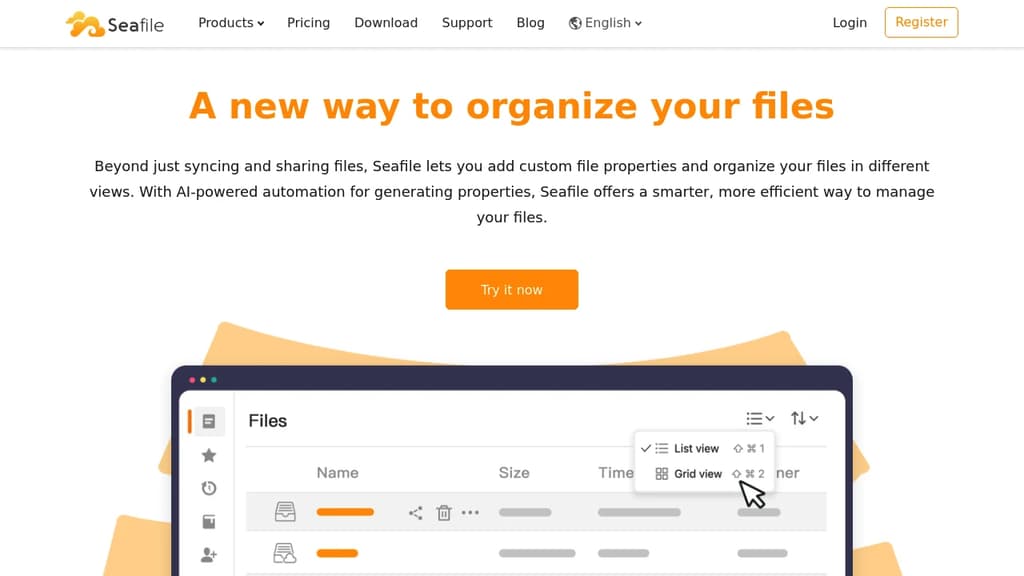
Seafile
Last 30 days
Last commit
9 days agoRepository age
14 yearsVersion
v9.0.5Self-hosted
YesRepository
haiwen/seafile
Detailed Comparison
Both Puter and Seafile have their unique strengths and serve similar purposes effectively. Consider your specific needs regarding popularity, growth, activity, technology, maturity, licensing and features when making your decision.
Both Puter and Seafile have their unique strengths and serve similar purposes effectively. Consider your specific needs regarding popularity, growth, activity, technology, maturity, licensing and features when making your decision.
Community & Popularity
Puter leads in popularity with 43,875 stars vs 15,378 stars for Seafile. The 185% higher star count indicates stronger community adoption. In terms of developer contributions, Puter has 4,111 forks, indicating strong developer engagement.
Growth Momentum
Puter and Seafile are moving at much the same rate, adding 281 stars and adding 104 stars respectively over the last 30 days (+0.6% vs +0.7%). Neither is pulling away from the other on momentum alone.
Development Activity
Both projects show recent activity, with Puter last updated 9 hours ago and Seafile 9 days ago.
Technology Stack
Both tools share common technology foundations, being built with Bash. However, they differ in their additional technology choices: Puter uses JavaScript, CSS, Typescript while Seafile leverages Python, C, Objective-C, C++.
Project Maturity
Seafile has been in development longer, starting 14 years ago, compared to Puter which began 3 years ago. This 11.8-year head start suggests Seafile may have more mature features and established processes.
Licensing
Puter is licensed under AGPL-3.0, while Seafile's license terms are not publicly specified.
Use Cases & Features
Both tools serve similar use cases in Cloud File Sync & Share. However, they also have distinct specializations: Puter also focuses on Encrypted Storage while Seafile extends into Document Management Systems, Secure Document Sharing.
Hosting & Deployment
Both Puter and Seafile offer self-hosting capabilities, giving you full control over your data and infrastructure.
Other tool comparisons to consider
Putervs
 SpacedrivePuter
vs
 NextcloudPuter
vs
 EntePuter
vs
 OpenCloudPuter
vs
 Sync-inPuter
vs
 PeergosPuter
vs
 ownCloudPuter
vs
 HoodikPuter
vs
 Twake DrivePuter
vs
 FirefilesSeafile
vs
SpacedriveSeafilevs
NextcloudSeafilevs
OpenCloudSeafilevs
Sync-inSeafilevs
PeergosSeafilevs
ownCloudSeafilevs
HoodikSeafilevs
Twake DriveSeafilevs
Firefiles Capture – Capture screenshots, generate PDFs, scrape content, extract metadata, and automate browsers with one API.