Peergos vs Puter
Learn how Peergos and Puter differ in their key features, development activity, technology
stack and community adoption, so you can decide which of these cloud file sync & share tools is best for you.
Learn how Peergos and Puter differ in their key features, development activity, technology stack and community adoption, so you can decide which of these cloud file sync & share tools is best for you.

Peergos
Last 30 days
Last commit
8 hours agoRepository age
13 yearsLicense
AGPL-3.0Repository
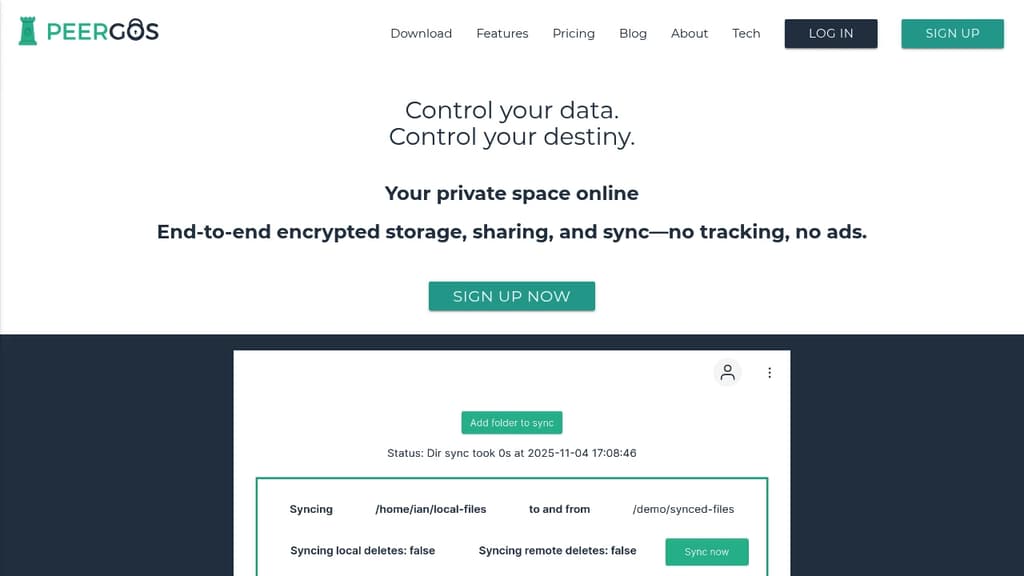
peergos/peergos

Puter
Last 30 days
Last commit
8 hours agoRepository age
3 yearsVersion
26.10License
AGPL-3.0Self-hosted
YesRepository
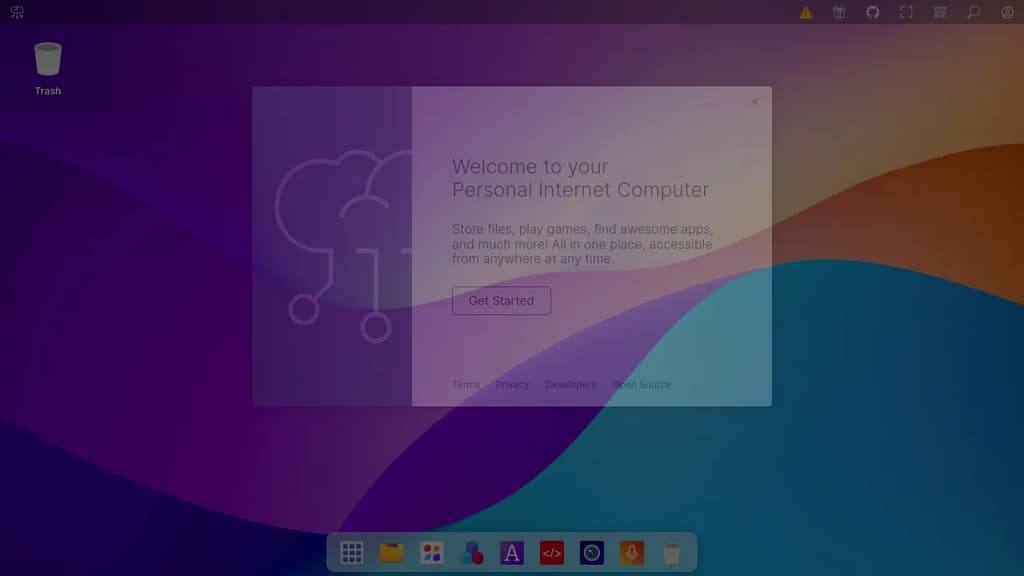
heyputer/puter
Detailed Comparison
Both Peergos and Puter have their unique strengths and serve similar purposes effectively. Consider your specific needs regarding popularity, growth, activity, technology, maturity, licensing and features when making your decision.
Both Peergos and Puter have their unique strengths and serve similar purposes effectively. Consider your specific needs regarding popularity, growth, activity, technology, maturity, licensing and features when making your decision.
Community & Popularity
Puter significantly outpaces Peergos in community adoption with 43,875 stars compared to 2,542 stars on GitHub. This 17.3x difference suggests Puter has a much larger and more active community. In terms of developer contributions, Puter has 4,111 forks, indicating strong developer engagement.
Growth Momentum
Peergos and Puter are moving at much the same rate, adding 16 stars and adding 281 stars respectively over the last 30 days (+0.6% vs +0.6%). Neither is pulling away from the other on momentum alone.
Development Activity
Both projects show recent activity, with Peergos last updated 8 hours ago and Puter 8 hours ago.
Technology Stack
Both tools share common technology foundations, being built with Bash. However, they differ in their additional technology choices: Peergos uses Java while Puter leverages JavaScript, CSS, Typescript.
Project Maturity
Peergos has been in development longer, starting 13 years ago, compared to Puter which began 3 years ago. This 10.7-year head start suggests Peergos may have more mature features and established processes.
Licensing
Both projects use the AGPL-3.0 license, providing identical terms for usage and distribution.
Use Cases & Features
Both tools serve similar use cases in Cloud File Sync & Share, Encrypted Storage.
Hosting & Deployment
Puter provides self-hosting options for complete data control and customization, while Peergos may be primarily cloud-based or require different deployment approaches.
Other tool comparisons to consider
Peergosvs
 SpacedrivePeergos
vs
 NextcloudPeergos
vs
 CryptomatorPeergos
vs
 SeafilePeergos
vs
 OpenCloudPeergos
vs
 Sync-inPeergos
vs
 ownCloudPeergos
vs
 HoodikPeergos
vs
 CozyPeergos
vs
 Twake DrivePeergos
vs
 FirefilesPuter
vs
SpacedrivePutervs
NextcloudPutervs
 EntePuter
vs
SeafilePutervs
OpenCloudPutervs
Sync-inPutervs
ownCloudPutervs
HoodikPutervs
Twake DrivePutervs
Firefiles Sent – A unified API for sending messages across SMS, RCS, and apps like WhatsApp.