SolidTime vs Wakapi
Learn how SolidTime and Wakapi differ in their key features, development activity, technology
stack and community adoption, so you can decide which of these time tracking tools is best for you.
Learn how SolidTime and Wakapi differ in their key features, development activity, technology stack and community adoption, so you can decide which of these time tracking tools is best for you.

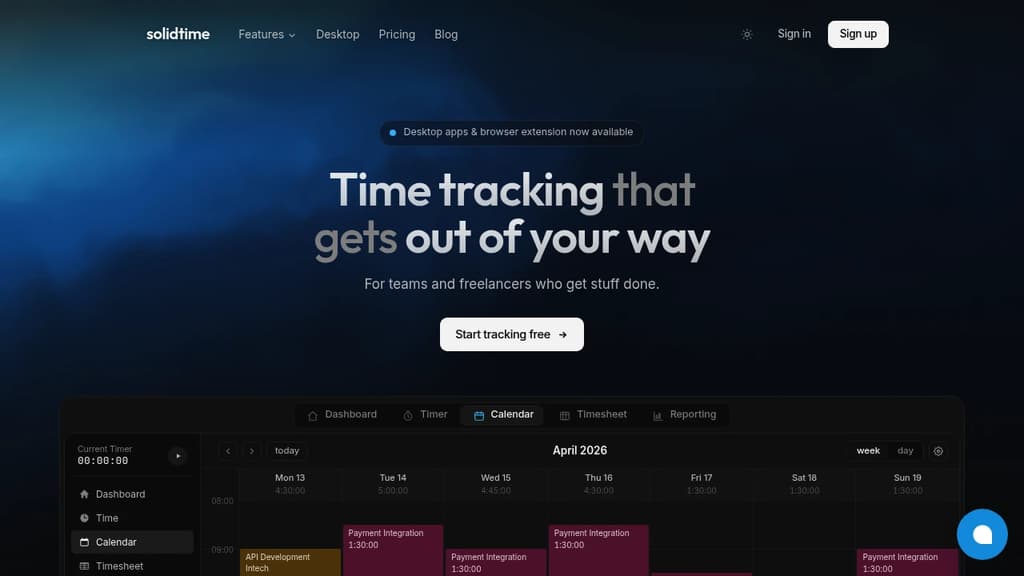
SolidTime
Last 30 days

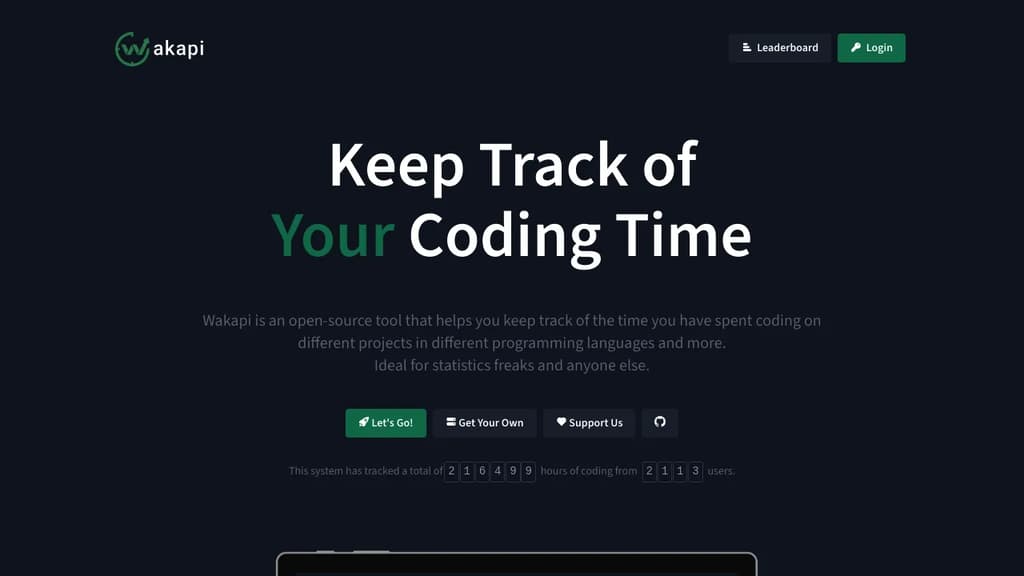
Wakapi
Last 30 days
Last commit
18 hours agoRepository age
7 yearsVersion
2.18.2License
MITSelf-hosted
YesRepository
muety/wakapi
Detailed Comparison
Both SolidTime and Wakapi have their unique strengths and serve similar purposes effectively. Consider your specific needs regarding popularity, growth, activity, technology, maturity, licensing and features when making your decision.
Both SolidTime and Wakapi have their unique strengths and serve similar purposes effectively. Consider your specific needs regarding popularity, growth, activity, technology, maturity, licensing and features when making your decision.
Community & Popularity
SolidTime leads in popularity with 9,015 stars vs 4,455 stars for Wakapi. The 102% higher star count indicates stronger community adoption. In terms of developer contributions, SolidTime has 516 forks, indicating moderate developer engagement.
Growth Momentum
SolidTime is growing faster, adding 88 stars in the last 30 days (+1%) against adding 23 stars for Wakapi (+0.5%). SolidTime is both larger and pulling further ahead.
Development Activity
Both projects show recent activity, with SolidTime last updated 5 days ago and Wakapi 18 hours ago.
Technology Stack
Both tools share common technology foundations, being built with JavaScript, Bash. However, they differ in their additional technology choices: SolidTime uses CSS, Typescript, PHP, Vue, Laravel while Wakapi leverages Python, Golang.
Project Maturity
Wakapi has been in development longer, starting 7 years ago, compared to SolidTime which began 3 years ago. This 4.7-year head start suggests Wakapi may have more mature features and established processes.
Licensing
Wakapi uses the MIT license, which is more permissive than SolidTime's AGPL-3.0 license, potentially offering greater flexibility for commercial use and integration.
Use Cases & Features
Both tools serve similar use cases in Time Tracking.
Hosting & Deployment
Both SolidTime and Wakapi offer self-hosting capabilities, giving you full control over your data and infrastructure.







 Sent – Messaging Infrastructure for Developers. One API for SMS, WhatsApp, and RCS across 190+ countries.