Hanko vs Stack Auth
Learn how Hanko and Stack Auth differ in their key features, development activity, technology
stack and community adoption, so you can decide which of these authentication & sso providers is best for you.
Learn how Hanko and Stack Auth differ in their key features, development activity, technology stack and community adoption, so you can decide which of these authentication & sso providers is best for you.

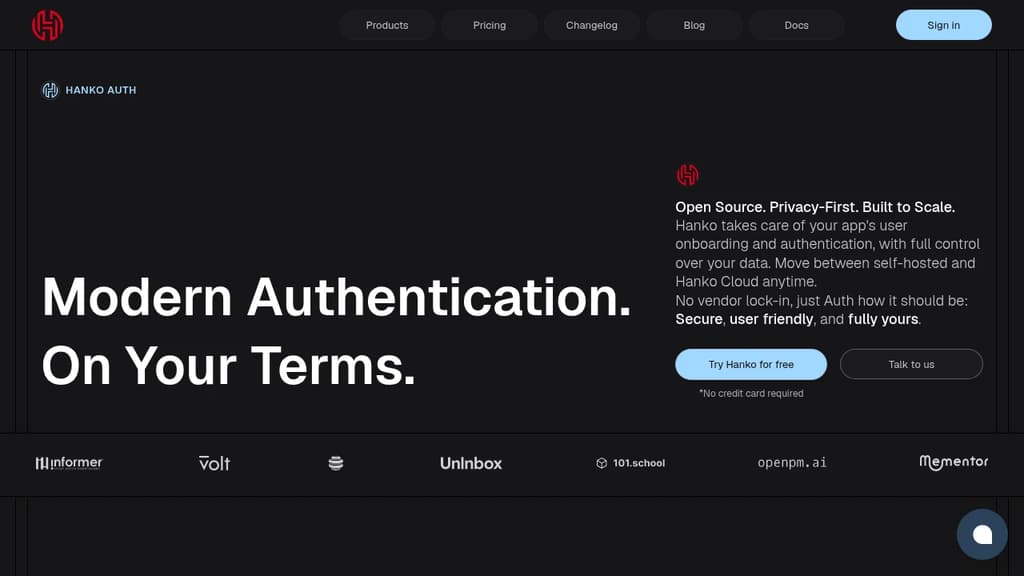
Hanko
Stars
8,983Forks
1,012Last commit
10 hours agoRepository age
4 yearsSelf-hosted
Yes
Activity score

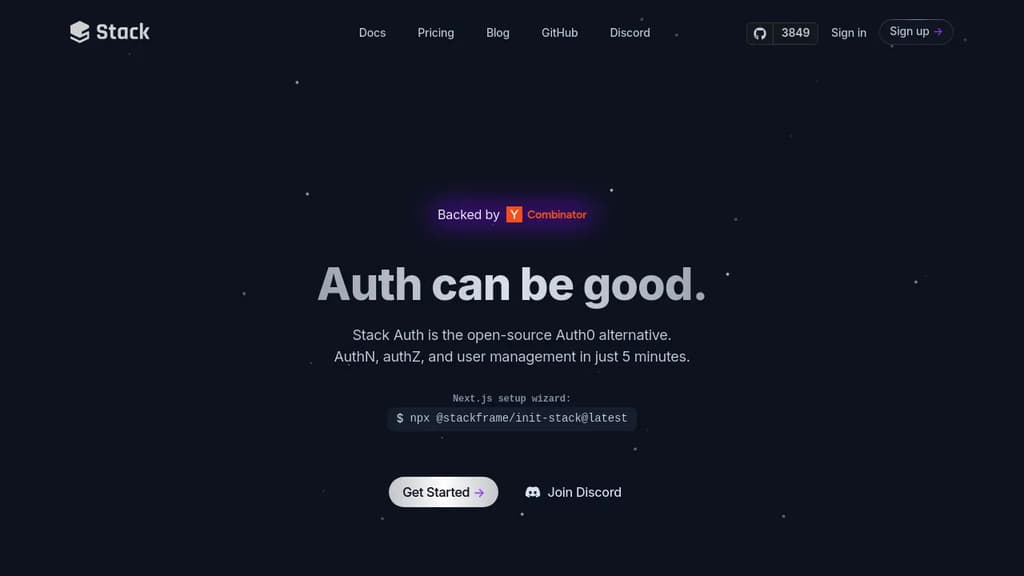
Stack Auth
Stars
6,832Forks
521Last commit
4 hours agoRepository age
2 yearsSelf-hosted
Yes
Activity score
Detailed Comparison
Both Hanko and Stack Auth have their unique strengths and serve similar purposes effectively. Consider your specific needs regarding popularity, activity, technology, maturity and features when making your decision.
Both Hanko and Stack Auth have their unique strengths and serve similar purposes effectively. Consider your specific needs regarding popularity, activity, technology, maturity and features when making your decision.
Community & Popularity
Both tools have similar popularity levels, with Hanko having 8,983 stars and Stack Auth having 6,832 stars on GitHub. In terms of developer contributions, Hanko has 1,012 forks, indicating strong developer engagement.
Development Activity
Both projects show recent activity, with Hanko last updated 10 hours ago and Stack Auth 4 hours ago.
Technology Stack
Both tools share common technology foundations, being built with JavaScript, CSS, Bash, Typescript, JSX, Next.js. However, they differ in their additional technology choices: Hanko uses Golang, Vue.
Project Maturity
Hanko has been in development longer, starting 4 years ago, compared to Stack Auth which began 2 years ago. This 2.0-year head start suggests Hanko may have more mature features and established processes.
Use Cases & Features
Both tools serve similar use cases in Authentication & SSO. However, they also have distinct specializations: Stack Auth extends into Authorization & Permissions.
Hosting & Deployment
Both Hanko and Stack Auth offer self-hosting capabilities, giving you full control over your data and infrastructure.
Other tool comparisons to consider
Hankovs
 KeycloakHanko
vs
 Better AuthHanko
vs
 AuthentikHanko
vs
 SuperTokensHanko
vs
 ZitadelHanko
vs
 LogtoHanko
vs
 OryHanko
vs
 AuthgearHanko
vs
 TesseralStack Auth
vs
KeycloakStack Authvs
Better AuthStack Authvs
AuthentikStack Authvs
SuperTokensStack Authvs
ZitadelStack Authvs
LogtoStack Authvs
OryStack Authvs
 PermifyStack Auth
vs
 CerbosStack Auth
vs
AuthgearStack Authvs
Tesseral Logto – Modern auth infrastructure for developers. Add multi-tenancy, enterprise SSO, and RBAC to your SaaS or AI apps.