Kilo vs Qwen Code
Learn how Kilo and Qwen Code differ in their key features, development activity, technology
stack and community adoption, so you can decide which of these ai coding agents is best for you.
Learn how Kilo and Qwen Code differ in their key features, development activity, technology stack and community adoption, so you can decide which of these ai coding agents is best for you.

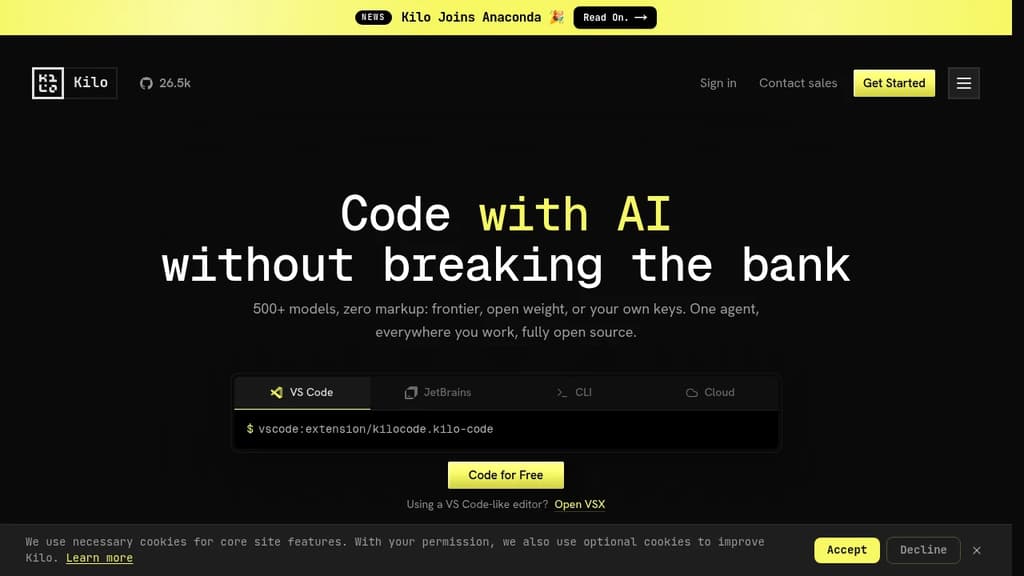
Kilo
Last 30 days
Last commit
55 minutes agoRepository age
2 yearsVersion
v7.8.27License
MITRepository
kilo-org/kilocode

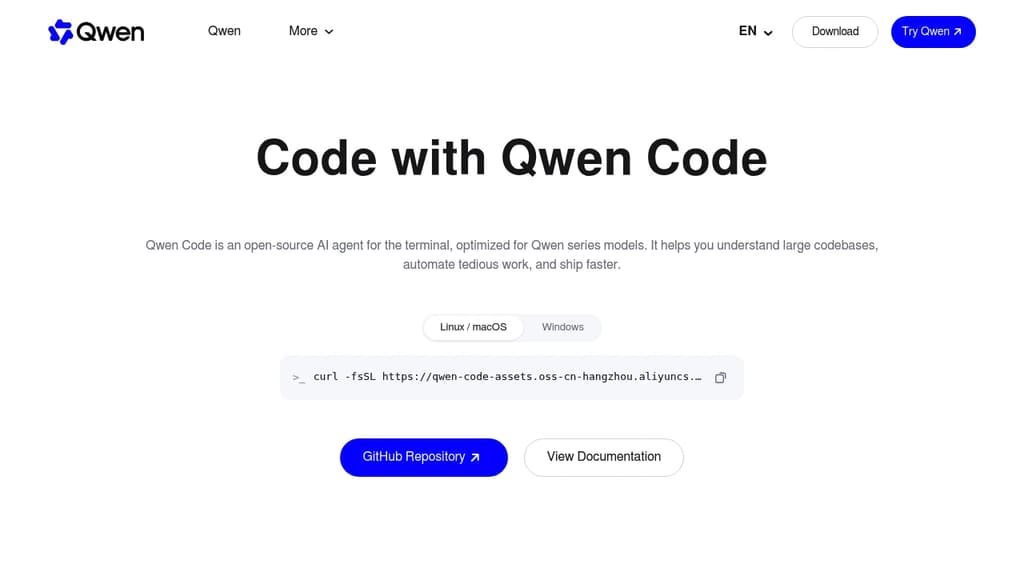
Qwen Code
Last 30 days
Last commit
45 minutes agoRepository age
1 yearVersion
v0.1.31License
Apache-2.0Repository
qwenlm/qwen-code
Detailed Comparison
Both Kilo and Qwen Code have their unique strengths and serve similar purposes effectively. Consider your specific needs regarding popularity, growth, activity, technology, maturity, licensing and features when making your decision.
Both Kilo and Qwen Code have their unique strengths and serve similar purposes effectively. Consider your specific needs regarding popularity, growth, activity, technology, maturity, licensing and features when making your decision.
Community & Popularity
Both Kilo and Qwen Code show comparable community engagement with 27,922 and 29,151 stars respectively. In terms of developer contributions, Kilo has 3,352 forks, indicating strong developer engagement.
Growth Momentum
Qwen Code is growing faster, adding 647 stars in the last 30 days (+2.3%) against adding 356 stars for Kilo (+1.3%). Qwen Code is both larger and pulling further ahead.
Development Activity
Both projects show recent activity, with Kilo last updated 55 minutes ago and Qwen Code 45 minutes ago.
Technology Stack
Both tools share common technology foundations, being built with JavaScript, CSS, Bash, Typescript, JSX, Python, Next.js. However, they differ in their additional technology choices: Kilo uses Golang, PHP while Qwen Code leverages Rust, C, Objective-C, Java, Swift, C++, Kotlin, Tauri, MATLAB.
Project Maturity
Both projects started around the same time, with Kilo beginning 2 years ago and Qwen Code 1 year ago.
Licensing
Kilo uses the MIT license, which is more permissive than Qwen Code's Apache-2.0 license, potentially offering greater flexibility for commercial use and integration.
Use Cases & Features
Both tools serve similar use cases in AI Coding Agents.
Other tool comparisons to consider
Kilovs
 OpenCodeKilo
vs
 Codex CLIKilo
vs
 piKilo
vs
 OpenHandsKilo
vs
 ClineKilo
vs
 Open InterpreterKilo
vs
 Grok BuildKilo
vs
 SWE-agentKilo
vs
 ZeroKilo
vs
 RoomoteQwen Code
vs
OpenCodeQwen Codevs
Codex CLIQwen Codevs
piQwen Codevs
OpenHandsQwen Codevs
ClineQwen Codevs
Open InterpreterQwen Codevs
 GooseQwen Code
vs
Grok BuildQwen Codevs
Zero c15t – Open-source cookie banner, built for control and lightening fast modern web apps.