LobeChat vs Open WebUI
Learn how LobeChat and Open WebUI differ in their key features, development activity, technology
stack and community adoption, so you can decide which of these ai chat interfaces is best for you.
Learn how LobeChat and Open WebUI differ in their key features, development activity, technology stack and community adoption, so you can decide which of these ai chat interfaces is best for you.

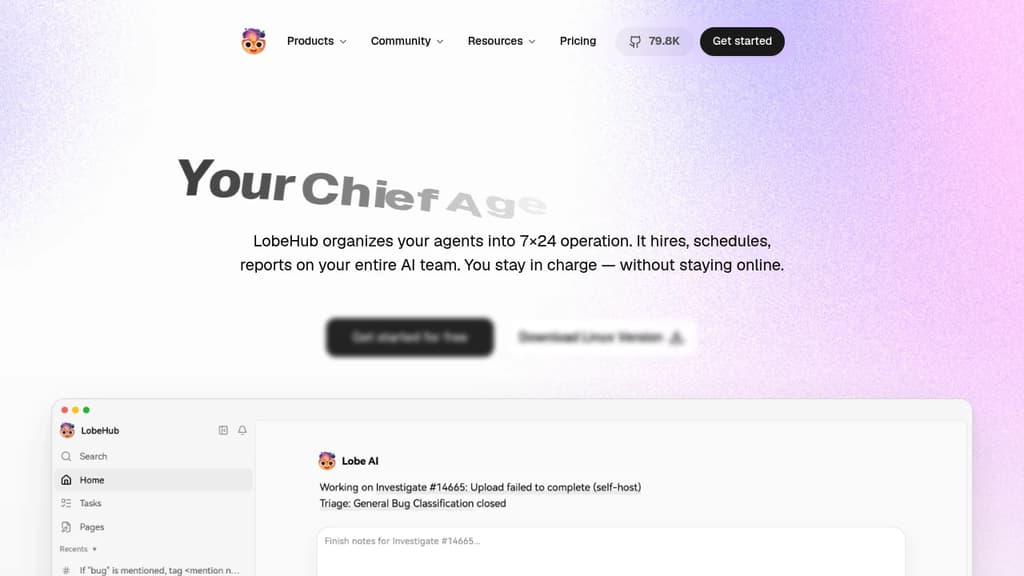
LobeChat
Last 30 days
Last commit
9 minutes agoRepository age
3 yearsVersion
v2.2.19Self-hosted
YesRepository
lobehub/lobehub

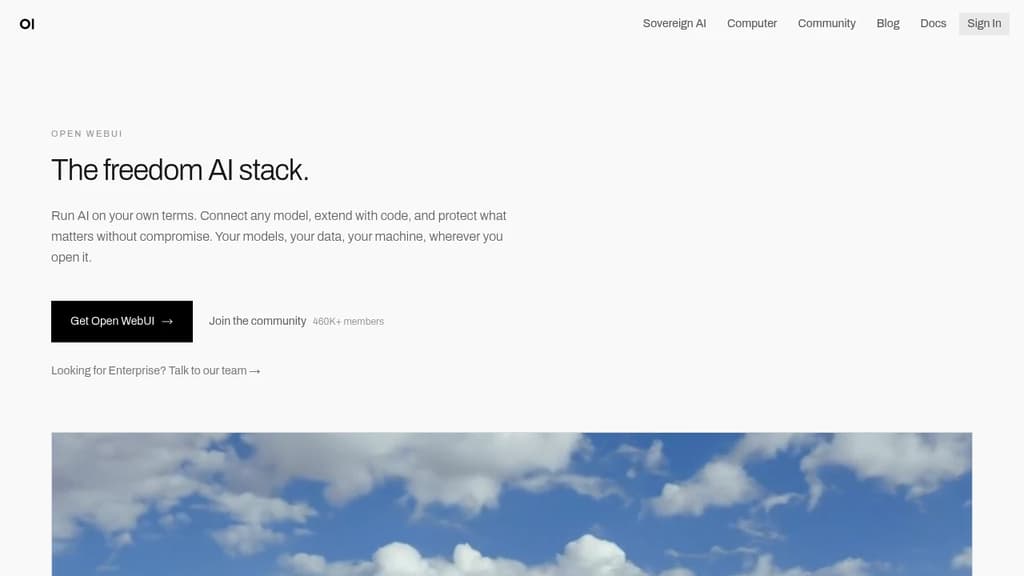
Open WebUI
Last 30 days
Last commit
11 minutes agoRepository age
3 yearsVersion
v0.11.4License
BSD-3-ClauseSelf-hosted
YesRepository
open-webui/open-webui
Detailed Comparison
Open WebUI appears to have several advantages over LobeChat, particularly in popularity, growth and licensing. Consider your specific needs regarding popularity, growth, activity, technology, maturity, licensing and features when making your decision.
Open WebUI appears to have several advantages over LobeChat, particularly in popularity, growth and licensing. Consider your specific needs regarding popularity, growth, activity, technology, maturity, licensing and features when making your decision.
Community & Popularity
Open WebUI leads in popularity with 154,204 stars vs 83,108 stars for LobeChat. The 86% higher star count indicates stronger community adoption. In terms of developer contributions, Open WebUI has 22,560 forks, indicating strong developer engagement.
Growth Momentum
Open WebUI is growing faster, adding 2,647 stars in the last 30 days (+1.7%) against adding 730 stars for LobeChat (+0.9%). Open WebUI is both larger and pulling further ahead.
Development Activity
Both projects show recent activity, with LobeChat last updated 9 minutes ago and Open WebUI 11 minutes ago.
Technology Stack
Both tools share common technology foundations, being built with JavaScript, CSS, Bash, Typescript. However, they differ in their additional technology choices: LobeChat uses JSX, Next.js while Open WebUI leverages Python, SvelteKit.
Project Maturity
Both projects started around the same time, with LobeChat beginning 3 years ago and Open WebUI 3 years ago.
Licensing
Open WebUI is licensed under BSD-3-Clause, while LobeChat's license terms are not publicly specified.
Use Cases & Features
Both tools serve similar use cases in AI Chat Interfaces. However, they also have distinct specializations: LobeChat also focuses on AI Agent Platforms.
Hosting & Deployment
Both LobeChat and Open WebUI offer self-hosting capabilities, giving you full control over your data and infrastructure.
Other tool comparisons to consider
LobeChatvs
 Proton LumoLobeChat
vs
 AutoGPTLobeChat
vs
 AnythingLLMLobeChat
vs
 nanobotLobeChat
vs
 Cherry StudioLobeChat
vs
 LibreChatLobeChat
vs
 JanLobeChat
vs
 ZeroClawLobeChat
vs
 NemoClawLobeChat
vs
 KortixLobeChat
vs
 Agent ZeroLobeChat
vs
 5ireLobeChat
vs
 FullmoonLobeChat
vs
 ZolaOpen WebUI
vs
Proton LumoOpen WebUIvs
AnythingLLMOpen WebUIvs
Cherry StudioOpen WebUIvs
LibreChatOpen WebUIvs
JanOpen WebUIvs
 MorphicOpen WebUI
vs
5ireOpen WebUIvs
FullmoonOpen WebUIvs
Zola Capture – Capture screenshots, generate PDFs, scrape content, extract metadata, and automate browsers with one API.