LibreChat vs LobeChat
Learn how LibreChat and LobeChat differ in their key features, development activity, technology
stack and community adoption, so you can decide which of these ai agent platforms is best for you.
Learn how LibreChat and LobeChat differ in their key features, development activity, technology stack and community adoption, so you can decide which of these ai agent platforms is best for you.

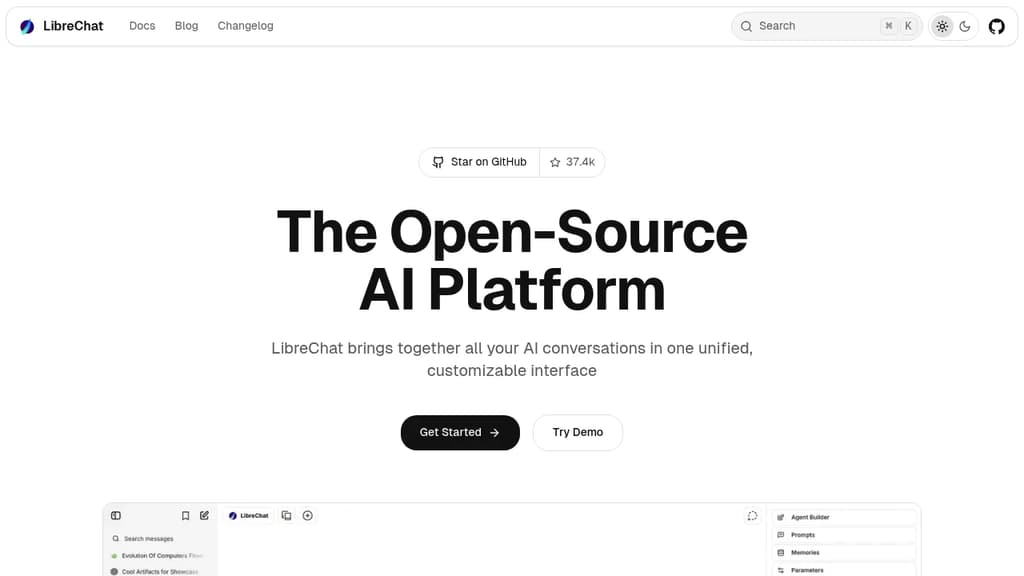
LibreChat
Last 30 days

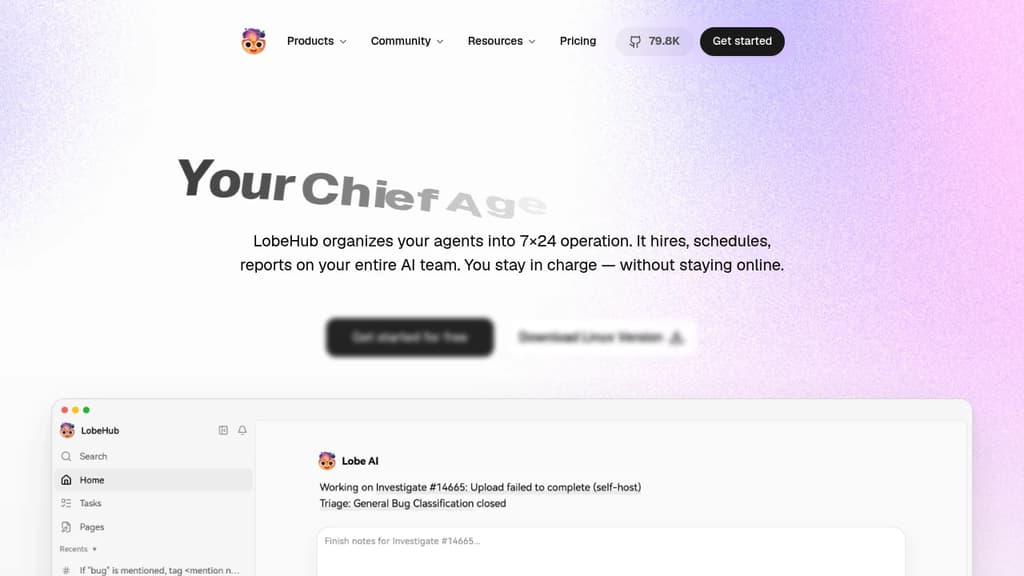
LobeChat
Last 30 days
Last commit
7 hours agoRepository age
3 yearsVersion
v2.2.20Self-hosted
YesRepository
lobehub/lobehub
Detailed Comparison
Both LibreChat and LobeChat have their unique strengths and serve similar purposes effectively. Consider your specific needs regarding popularity, growth, activity, technology, maturity, licensing and features when making your decision.
Both LibreChat and LobeChat have their unique strengths and serve similar purposes effectively. Consider your specific needs regarding popularity, growth, activity, technology, maturity, licensing and features when making your decision.
Community & Popularity
LobeChat leads in popularity with 83,318 stars vs 45,956 stars for LibreChat. The 81% higher star count indicates stronger community adoption. In terms of developer contributions, LobeChat has 15,998 forks, indicating strong developer engagement.
Growth Momentum
LibreChat is growing faster, adding 1,560 stars in the last 30 days (+3.5%) against adding 663 stars for LobeChat (+0.8%). LibreChat is the smaller project of the two, so it is closing the gap rather than extending a lead.
Development Activity
Both projects show recent activity, with LibreChat last updated 7 hours ago and LobeChat 7 hours ago.
Technology Stack
Both tools share common technology foundations, being built with JavaScript, CSS, Bash, Typescript, JSX. However, they differ in their additional technology choices: LibreChat uses Python while LobeChat leverages Next.js.
Project Maturity
Both projects started around the same time, with LibreChat beginning 4 years ago and LobeChat 3 years ago.
Licensing
LibreChat is licensed under MIT, while LobeChat's license terms are not publicly specified.
Use Cases & Features
Both tools serve similar use cases in AI Agent Platforms, AI Chat Interfaces.
Hosting & Deployment
Both LibreChat and LobeChat offer self-hosting capabilities, giving you full control over your data and infrastructure.
Other tool comparisons to consider
LibreChatvs
 Proton LumoLibreChat
vs
 Open WebUILibreChat
vs
 AnythingLLMLibreChat
vs
 Cherry StudioLibreChat
vs
 JanLibreChat
vs
 5ireLibreChat
vs
 FullmoonLibreChat
vs
 ZolaLobeChat
vs
Proton LumoLobeChatvs
 AutoGPTLobeChat
vs
Open WebUILobeChatvs
AnythingLLMLobeChatvs
 nanobotLobeChat
vs
Cherry StudioLobeChatvs
JanLobeChatvs
 ZeroClawLobeChat
vs
 NemoClawLobeChat
vs
 KortixLobeChat
vs
 Agent ZeroLobeChat
vs
5ireLobeChatvs
FullmoonLobeChatvs
Zola Capture – Capture screenshots, generate PDFs, scrape content, extract metadata, and automate browsers with one API.