Langflow vs Sim
Learn how Langflow and Sim differ in their key features, development activity, technology
stack and community adoption, so you can decide which of these ai agent platforms is best for you.
Learn how Langflow and Sim differ in their key features, development activity, technology stack and community adoption, so you can decide which of these ai agent platforms is best for you.

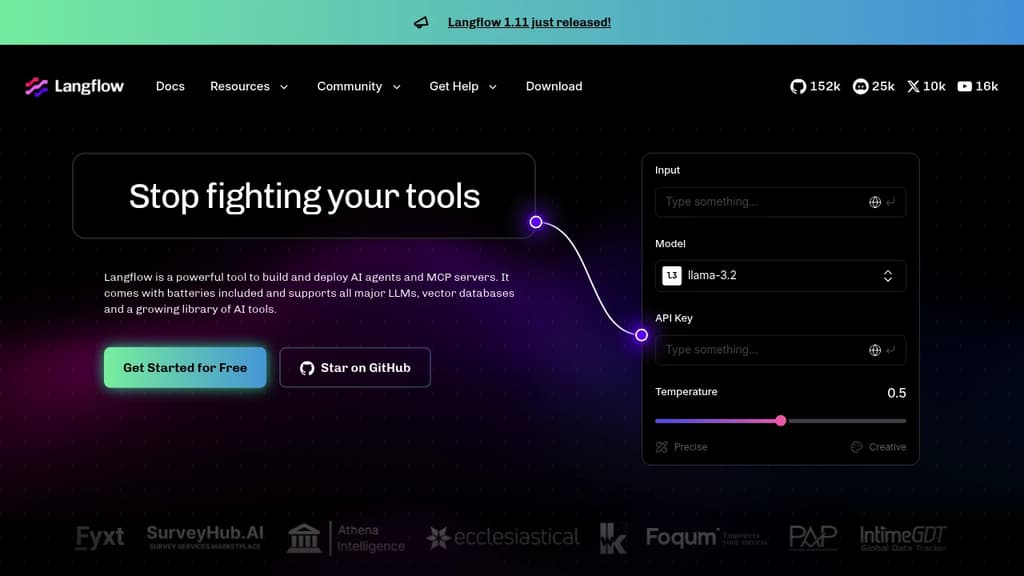
Langflow
Last 30 days
Last commit
15 hours agoRepository age
4 yearsVersion
v1.13.4License
MITSelf-hosted
YesRepository
langflow-ai/langflow

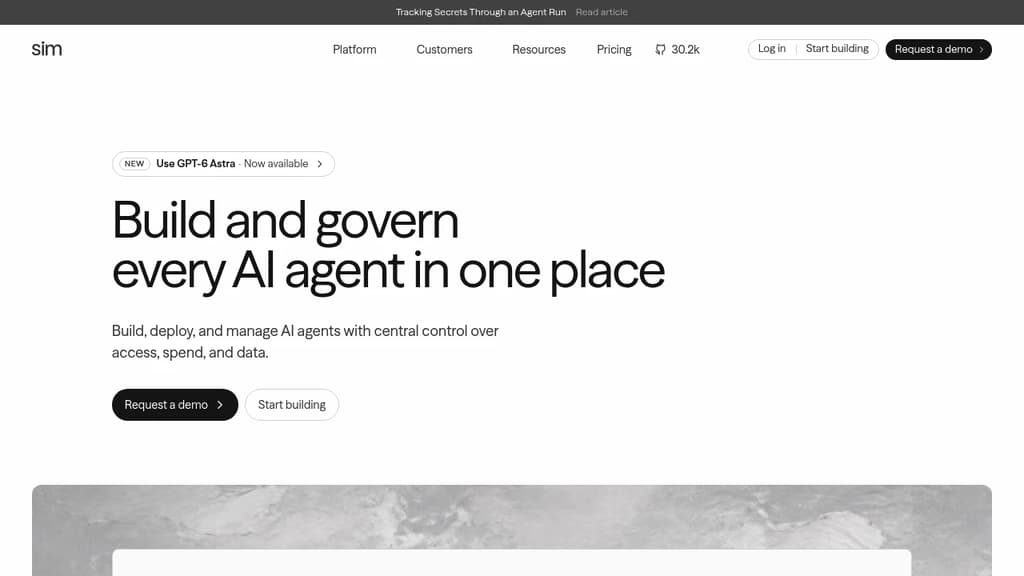
Sim
Stars
30,226Last commit
18 hours agoRepository age
2 yearsVersion
v0.9.67License
Apache-2.0Self-hosted
YesRepository
simstudioai/sim
Detailed Comparison
Langflow appears to have several advantages over Sim, particularly in popularity, growth, maturity and licensing. Consider your specific needs regarding popularity, growth, activity, maturity, licensing and features when making your decision.
Langflow appears to have several advantages over Sim, particularly in popularity, growth, maturity and licensing. Consider your specific needs regarding popularity, growth, activity, maturity, licensing and features when making your decision.
Community & Popularity
Langflow significantly outpaces Sim in community adoption with 156,993 stars compared to 30,226 stars on GitHub. This 5.2x difference suggests Langflow has a much larger and more active community. In terms of developer contributions, Langflow has 10,463 forks, indicating strong developer engagement.
Growth Momentum
Langflow is growing faster, adding 850 stars in the last 30 days (+0.5%) against adding 0 stars for Sim (0%). Langflow is both larger and pulling further ahead.
Development Activity
Both projects show recent activity, with Langflow last updated 15 hours ago and Sim 18 hours ago.
Project Maturity
Langflow has been in development longer, starting 4 years ago, compared to Sim which began 2 years ago. This 1.9-year head start suggests Langflow may have more mature features and established processes.
Licensing
Langflow uses the MIT license, which is more permissive than Sim's Apache-2.0 license, potentially offering greater flexibility for commercial use and integration.
Use Cases & Features
Both tools serve similar use cases in AI Agent Platforms. However, they also have distinct specializations: Langflow also focuses on Low-Code/No-Code, LLM Application Frameworks while Sim extends into Workflow Automation.
Hosting & Deployment
Both Langflow and Sim offer self-hosting capabilities, giving you full control over your data and infrastructure.












 Postiz – The All-in-One agentic social media scheduling tool