Kanba vs Orgnise
Learn how Kanba and Orgnise differ in their key features, development activity, technology
stack and community adoption, so you can decide which of these project management suites is best for you.
Learn how Kanba and Orgnise differ in their key features, development activity, technology stack and community adoption, so you can decide which of these project management suites is best for you.

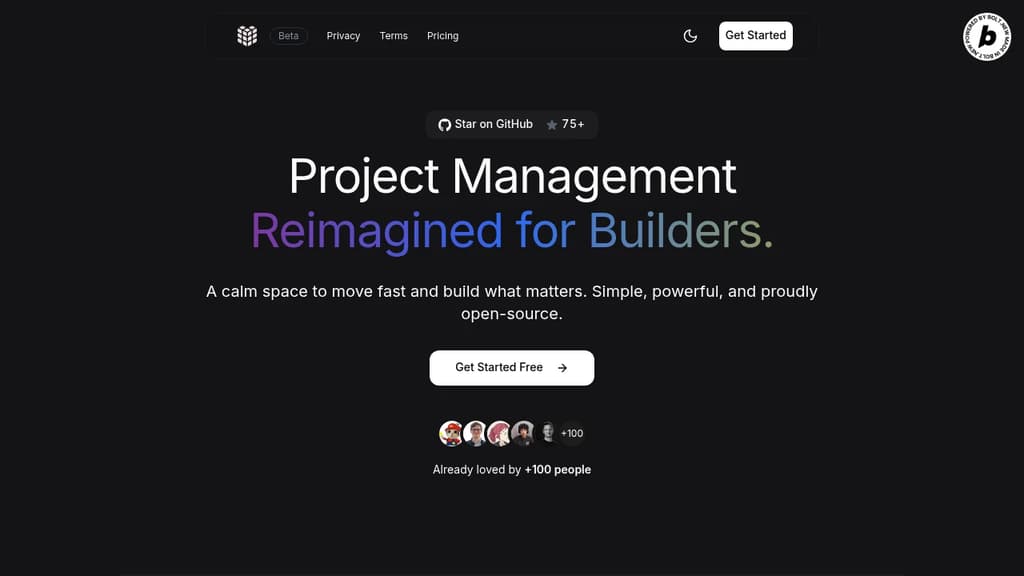
Kanba
Last 30 days
Last commit
2 months agoRepository age
1 yearVersion
1.0.8License
MITRepository
uaghazade1/kanba

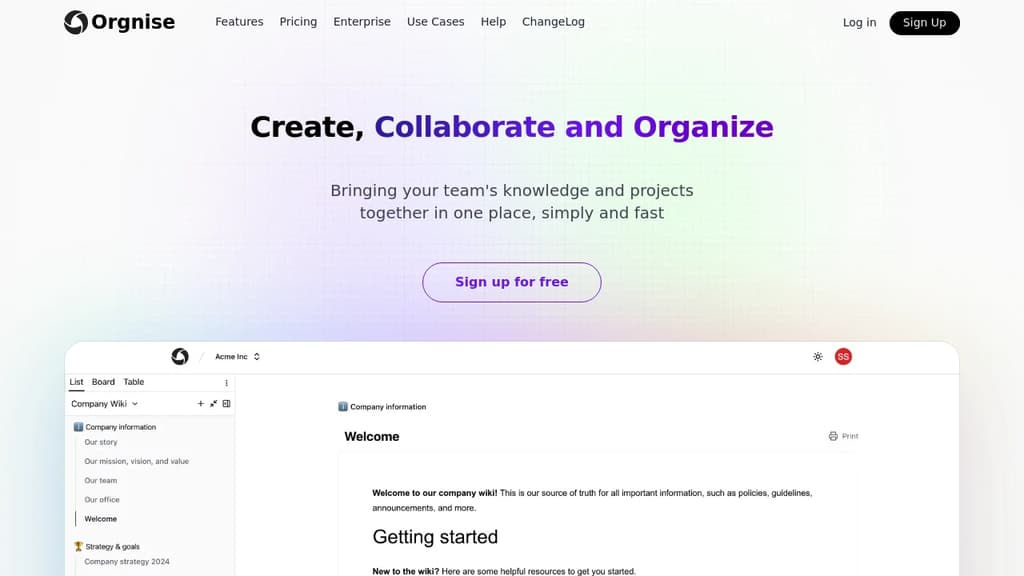
Orgnise
Last 30 days
Last commit
1 year agoRepository age
4 yearsVersion
1.0.0License
AGPL-3.0Repository
orgnise/webapp
Detailed Comparison
Kanba appears to have several advantages over Orgnise, particularly in popularity, growth, activity and licensing. Consider your specific needs regarding popularity, growth, activity, technology, maturity, licensing and features when making your decision.
Kanba appears to have several advantages over Orgnise, particularly in popularity, growth, activity and licensing. Consider your specific needs regarding popularity, growth, activity, technology, maturity, licensing and features when making your decision.
Community & Popularity
Kanba leads in popularity with 660 stars vs 248 stars for Orgnise. The 166% higher star count indicates stronger community adoption. In terms of developer contributions, Kanba has 114 forks, indicating moderate developer engagement.
Growth Momentum
Kanba is growing faster, adding 5 stars in the last 30 days (+0.8%) against adding 1 stars for Orgnise (+0.4%). Kanba is both larger and pulling further ahead.
Development Activity
Kanba shows more recent development activity with its last commit 2 months ago, while Orgnise was last updated 1 year ago. This suggests Kanba is being more actively maintained.
Technology Stack
Both tools share common technology foundations, being built with JavaScript, CSS, Typescript, JSX, Next.js.
Project Maturity
Orgnise has been in development longer, starting 4 years ago, compared to Kanba which began 1 year ago. This 2.8-year head start suggests Orgnise may have more mature features and established processes.
Licensing
Kanba uses the MIT license, which is more permissive than Orgnise's AGPL-3.0 license, potentially offering greater flexibility for commercial use and integration.
Use Cases & Features
Both tools serve similar use cases in Project Management Suites. However, they also have distinct specializations: Orgnise extends into Task Management.
Other tool comparisons to consider
Kanbavs
 PlaneKanba
vs
 HulyKanba
vs
 WekanKanba
vs
 OpenProjectKanba
vs
 PlankaKanba
vs
 LeantimeKanba
vs
 RedmineKanba
vs
 KanKanba
vs
 VikunjaKanba
vs
 WorklenzKanba
vs
 TaigaKanba
vs
 OperatelyKanba
vs
 Ever TeamsKanba
vs
 WindshiftKanba
vs
 ManageKanba
vs
 MimraiOrgnise
vs
 Macro TasksOrgnise
vs
PlaneOrgnisevs
HulyOrgnisevs
WekanOrgnisevs
OpenProjectOrgnisevs
 KaneoOrgnise
vs
PlankaOrgnisevs
LeantimeOrgnisevs
RedmineOrgnisevs
KanOrgnisevs
VikunjaOrgnisevs
WorklenzOrgnisevs
 KanriOrgnise
vs
TaigaOrgnisevs
OperatelyOrgnisevs
Ever TeamsOrgnisevs
WindshiftOrgnisevs
ManageOrgnisevs
 SayrOrgnise
vs
Mimrai Stellar Hosted – Managed Open Source software hosting in the EU: secure, compliant, fast.