Kanba vs Manage
Learn how Kanba and Manage differ in their key features, development activity, technology
stack and community adoption, so you can decide which of these project management suites is best for you.
Learn how Kanba and Manage differ in their key features, development activity, technology stack and community adoption, so you can decide which of these project management suites is best for you.

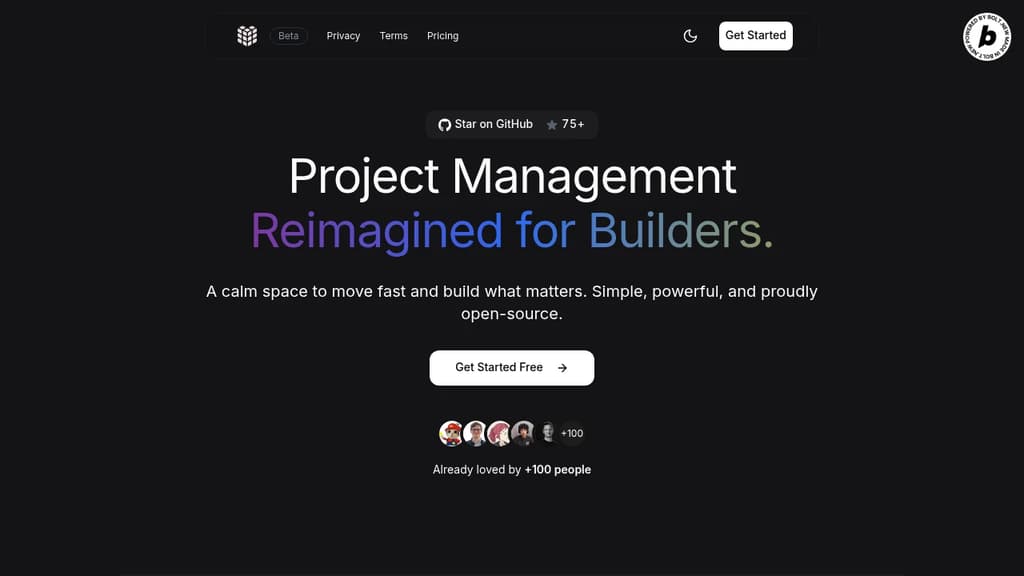
Kanba
Last 30 days
Last commit
2 months agoRepository age
1 yearVersion
1.0.8License
MITRepository
uaghazade1/kanba

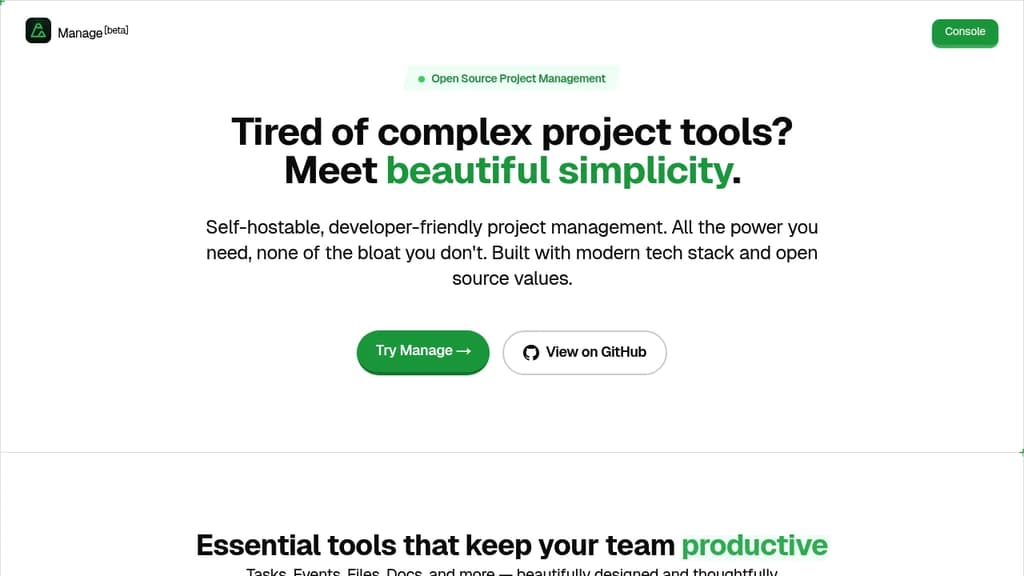
Manage
Last 30 days
Last commit
2 months agoRepository age
3 yearsLicense
AGPL-3.0Self-hosted
YesRepository
techulus/manage
Detailed Comparison
Both Kanba and Manage have their unique strengths and serve similar purposes effectively. Consider your specific needs regarding popularity, activity, technology, maturity, licensing and features when making your decision.
Both Kanba and Manage have their unique strengths and serve similar purposes effectively. Consider your specific needs regarding popularity, activity, technology, maturity, licensing and features when making your decision.
Community & Popularity
Kanba significantly outpaces Manage in community adoption with 660 stars compared to 71 stars on GitHub. This 9.3x difference suggests Kanba has a much larger and more active community. In terms of developer contributions, Kanba has 114 forks, indicating moderate developer engagement.
Development Activity
Both projects show recent activity, with Kanba last updated 2 months ago and Manage 2 months ago.
Technology Stack
Both tools share common technology foundations, being built with JavaScript, CSS, Typescript, JSX, Next.js. However, they differ in their additional technology choices: Manage leverages Bash.
Project Maturity
Manage has been in development longer, starting 3 years ago, compared to Kanba which began 1 year ago. This 2.0-year head start suggests Manage may have more mature features and established processes.
Licensing
Kanba uses the MIT license, which is more permissive than Manage's AGPL-3.0 license, potentially offering greater flexibility for commercial use and integration.
Use Cases & Features
Both tools serve similar use cases in Project Management Suites. However, they also have distinct specializations: Manage extends into Task Management.
Hosting & Deployment
Manage provides self-hosting options for complete data control and customization, while Kanba may be primarily cloud-based or require different deployment approaches.
Other tool comparisons to consider
Kanbavs
 PlaneKanba
vs
 HulyKanba
vs
 WekanKanba
vs
 OpenProjectKanba
vs
 PlankaKanba
vs
 LeantimeKanba
vs
 RedmineKanba
vs
 KanKanba
vs
 VikunjaKanba
vs
 WorklenzKanba
vs
 TaigaKanba
vs
 OperatelyKanba
vs
 Ever TeamsKanba
vs
 WindshiftKanba
vs
 OrgniseKanba
vs
 MimraiManage
vs
 Macro TasksManage
vs
PlaneManagevs
HulyManagevs
WekanManagevs
OpenProjectManagevs
 KaneoManage
vs
PlankaManagevs
LeantimeManagevs
RedmineManagevs
KanManagevs
VikunjaManagevs
WorklenzManagevs
 KanriManage
vs
TaigaManagevs
OperatelyManagevs
Ever TeamsManagevs
WindshiftManagevs
OrgniseManagevs
 SayrManage
vs
Mimrai Stellar Hosted – Managed Open Source software hosting in the EU: secure, compliant, fast.