AnythingLLM vs Atomic Chat
Learn how AnythingLLM and Atomic Chat differ in their key features, development activity, technology
stack and community adoption, so you can decide which of these ai chat interfaces is best for you.
Learn how AnythingLLM and Atomic Chat differ in their key features, development activity, technology stack and community adoption, so you can decide which of these ai chat interfaces is best for you.

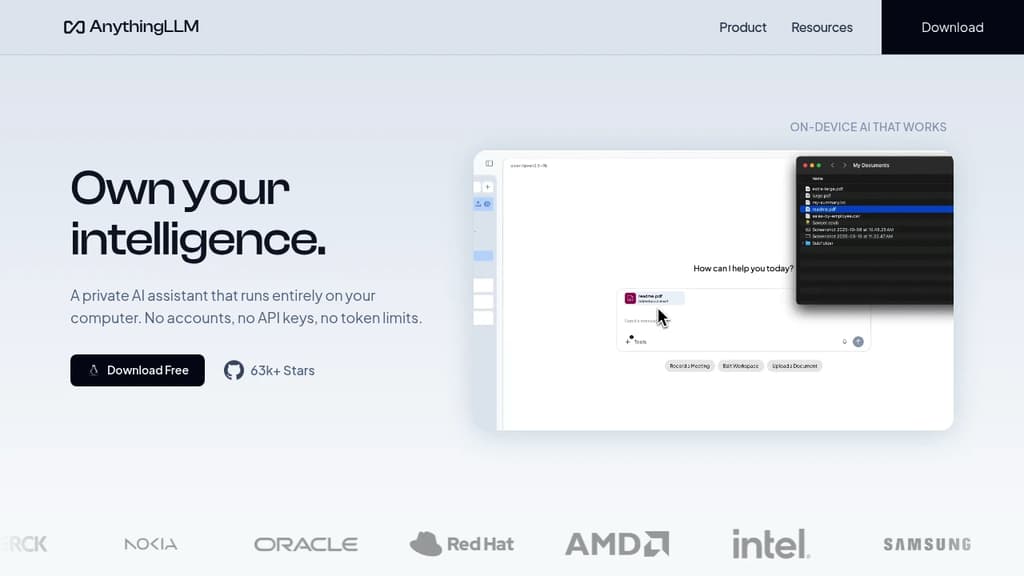
AnythingLLM
Last 30 days
Last commit
19 hours agoRepository age
3 yearsVersion
v1.18.0License
MITSelf-hosted
YesRepository
anything-llm

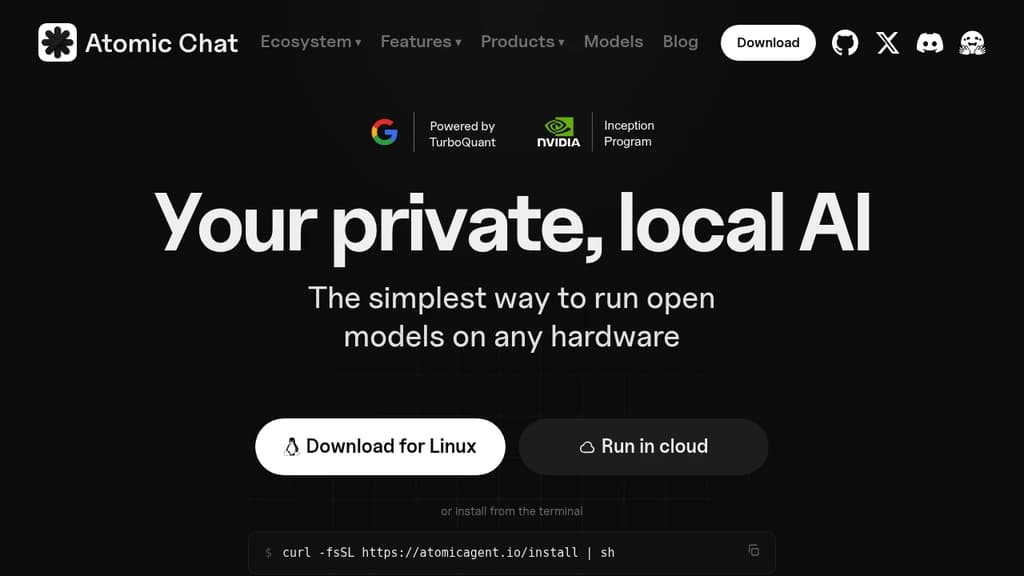
Atomic Chat
Last 30 days
Last commit
3 days agoRepository age
7 monthsVersion
v2.2.26License
Apache-2.0Self-hosted
YesRepository
atomic-chat
Detailed Comparison
AnythingLLM appears to have several advantages over Atomic Chat, particularly in popularity, maturity and licensing. Consider your specific needs regarding popularity, growth, activity, maturity, licensing and features when making your decision.
AnythingLLM appears to have several advantages over Atomic Chat, particularly in popularity, maturity and licensing. Consider your specific needs regarding popularity, growth, activity, maturity, licensing and features when making your decision.
Community & Popularity
AnythingLLM significantly outpaces Atomic Chat in community adoption with 67,570 stars compared to 1,850 stars on GitHub. This 36.5x difference suggests AnythingLLM has a much larger and more active community. In terms of developer contributions, AnythingLLM has 7,588 forks, indicating strong developer engagement.
Growth Momentum
Atomic Chat is growing faster, adding 223 stars in the last 30 days (+14%) against adding 1,075 stars for AnythingLLM (+1.6%). Atomic Chat is the smaller project of the two, so it is closing the gap rather than extending a lead.
Development Activity
Both projects show recent activity, with AnythingLLM last updated 19 hours ago and Atomic Chat 3 days ago.
Project Maturity
AnythingLLM has been in development longer, starting 3 years ago, compared to Atomic Chat which began 7 months ago. This 2.9-year head start suggests AnythingLLM may have more mature features and established processes.
Licensing
AnythingLLM uses the MIT license, which is more permissive than Atomic Chat's Apache-2.0 license, potentially offering greater flexibility for commercial use and integration.
Use Cases & Features
Both tools serve similar use cases in AI Chat Interfaces. However, they also have distinct specializations: AnythingLLM also focuses on Enterprise Knowledge Search while Atomic Chat extends into Local Model Runners.
Hosting & Deployment
Both AnythingLLM and Atomic Chat offer self-hosting capabilities, giving you full control over your data and infrastructure.
Other tool comparisons to consider
AnythingLLMvs
 Proton LumoAnythingLLM
vs
 Open WebUIAnythingLLM
vs
 LobeChatAnythingLLM
vs
 Cherry StudioAnythingLLM
vs
 LibreChatAnythingLLM
vs
 JanAnythingLLM
vs
 5ireAnythingLLM
vs
 FullmoonAnythingLLM
vs
 ZolaAtomic Chat
vs
 OllamaAtomic Chat
vs
Open WebUIAtomic Chatvs
LobeChatAtomic Chatvs
 GPT4AllAtomic Chat
vs
Cherry StudioAtomic Chatvs
LibreChatAtomic Chatvs
JanAtomic Chatvs
5ireAtomic Chatvs
Fullmoon Windshift – The self-hosted platform that replaces Jira.