Agent Zero vs NemoClaw
Learn how Agent Zero and NemoClaw differ in their key features, development activity, technology
stack and community adoption, so you can decide which of these ai agent platforms is best for you.
Learn how Agent Zero and NemoClaw differ in their key features, development activity, technology stack and community adoption, so you can decide which of these ai agent platforms is best for you.

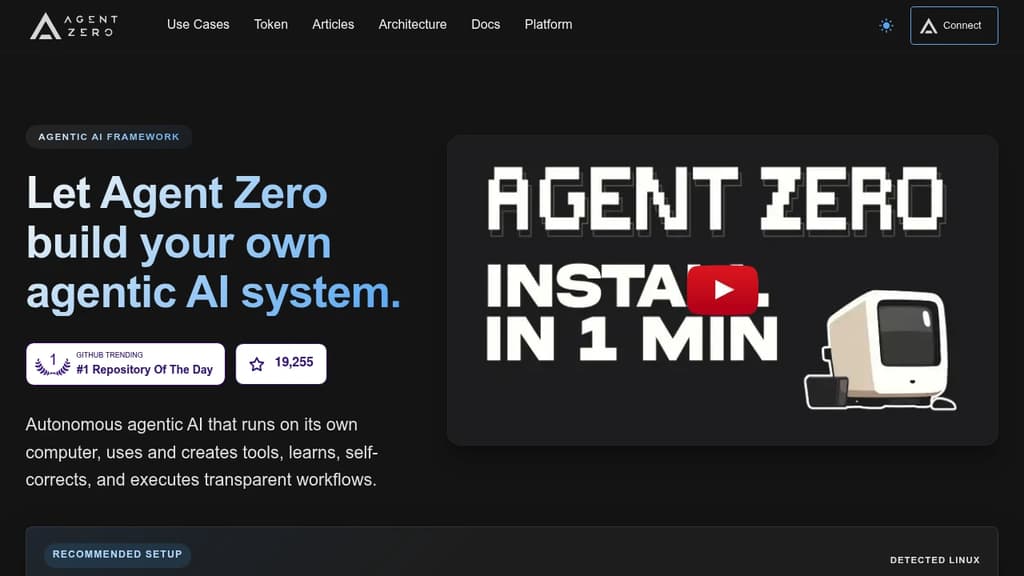
Agent Zero
Last 30 days
Last commit
22 hours agoRepository age
2 yearsVersion
v2.16License
MITSelf-hosted
YesRepository
agent0ai/agent-zero
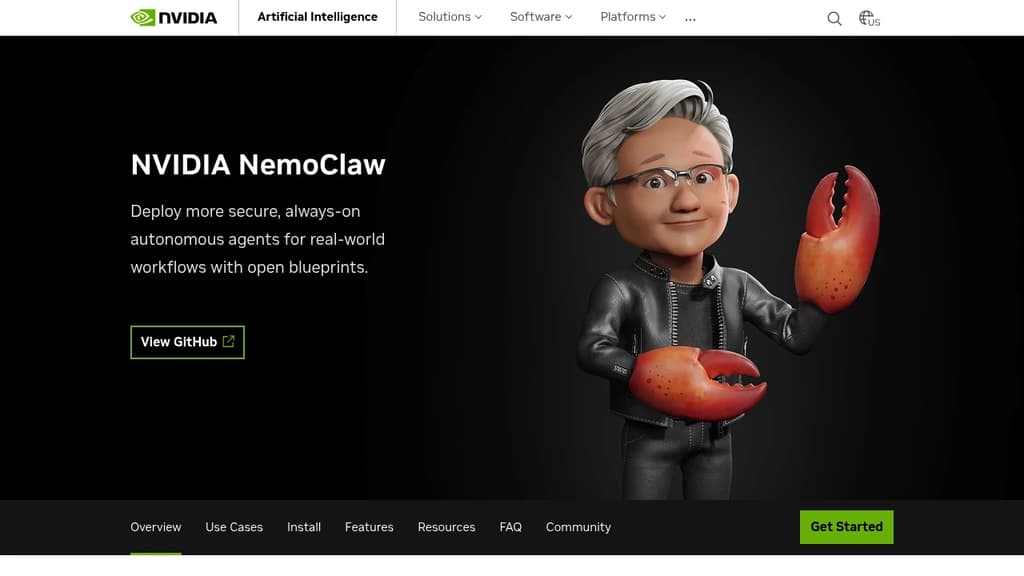
NemoClaw
Last 30 days
Last commit
9 hours agoRepository age
8 monthsLicense
Apache-2.0Self-hosted
YesRepository
nvidia/nemoclaw
Detailed Comparison
Agent Zero appears to have several advantages over NemoClaw, particularly in growth, maturity and licensing. Consider your specific needs regarding popularity, growth, activity, technology, maturity, licensing and features when making your decision.
Agent Zero appears to have several advantages over NemoClaw, particularly in growth, maturity and licensing. Consider your specific needs regarding popularity, growth, activity, technology, maturity, licensing and features when making your decision.
Community & Popularity
Both tools have similar popularity levels, with Agent Zero having 19,968 stars and NemoClaw having 23,082 stars on GitHub. In terms of developer contributions, Agent Zero has 3,901 forks, indicating strong developer engagement.
Growth Momentum
Agent Zero is growing faster, adding 405 stars in the last 30 days (+2.1%) against adding 239 stars for NemoClaw (+1%). Agent Zero is the smaller project of the two, so it is closing the gap rather than extending a lead.
Development Activity
Both projects show recent activity, with Agent Zero last updated 22 hours ago and NemoClaw 9 hours ago.
Technology Stack
Both tools share common technology foundations, being built with JavaScript, CSS, Bash, Python. However, they differ in their additional technology choices: NemoClaw leverages Typescript, JSX, Golang, Rust, C.
Project Maturity
Agent Zero has been in development longer, starting 2 years ago, compared to NemoClaw which began 8 months ago. This 1.8-year head start suggests Agent Zero may have more mature features and established processes.
Licensing
Agent Zero uses the MIT license, which is more permissive than NemoClaw's Apache-2.0 license, potentially offering greater flexibility for commercial use and integration.
Use Cases & Features
Both tools serve similar use cases in AI Agent Platforms.
Hosting & Deployment
Both Agent Zero and NemoClaw offer self-hosting capabilities, giving you full control over your data and infrastructure.










 Bright Data – Web data for AI agents and apps. Built-in unblocking, proxies, and ready-made APIs.