Agent Zero vs ZeroClaw
Learn how Agent Zero and ZeroClaw differ in their key features, development activity, technology
stack and community adoption, so you can decide which of these ai agent platforms is best for you.
Learn how Agent Zero and ZeroClaw differ in their key features, development activity, technology stack and community adoption, so you can decide which of these ai agent platforms is best for you.

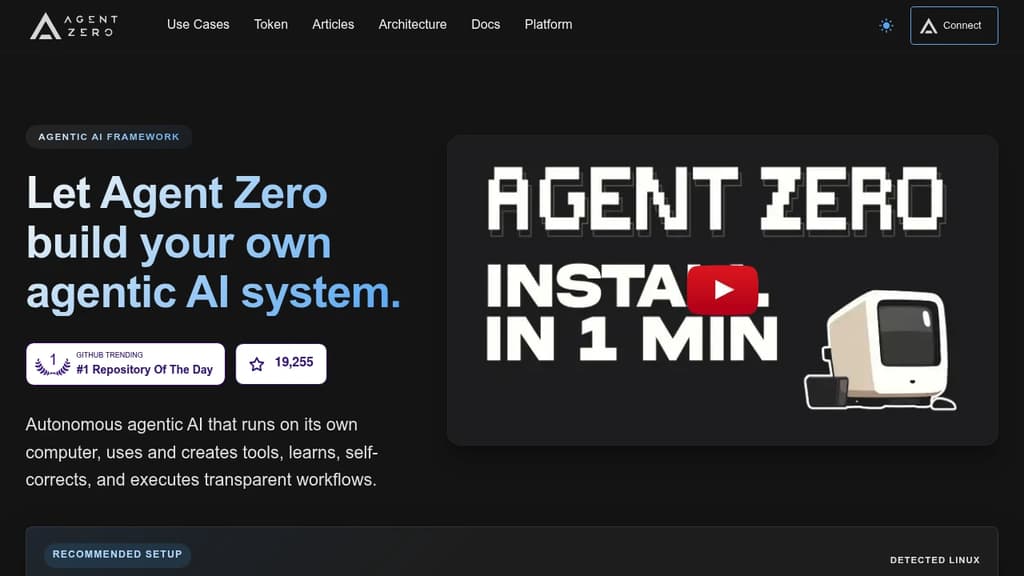
Agent Zero
Last 30 days
Last commit
2 days agoRepository age
2 yearsVersion
v2.14License
MITSelf-hosted
YesRepository
agent0ai/agent-zero

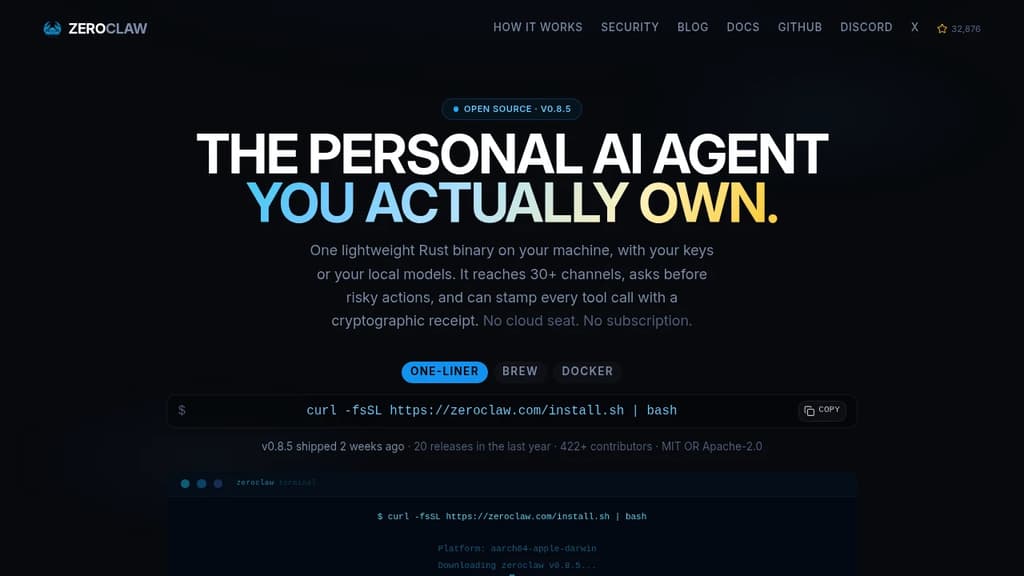
ZeroClaw
Last 30 days
Last commit
19 hours agoRepository age
9 monthsVersion
v0.8.6License
Apache-2.0Self-hosted
YesRepository
zeroclaw
Detailed Comparison
Agent Zero appears to have several advantages over ZeroClaw, particularly in growth, maturity and licensing. Consider your specific needs regarding popularity, growth, activity, technology, maturity, licensing and features when making your decision.
Agent Zero appears to have several advantages over ZeroClaw, particularly in growth, maturity and licensing. Consider your specific needs regarding popularity, growth, activity, technology, maturity, licensing and features when making your decision.
Community & Popularity
ZeroClaw leads in popularity with 33,041 stars vs 19,568 stars for Agent Zero. The 69% higher star count indicates stronger community adoption. In terms of developer contributions, ZeroClaw has 4,988 forks, indicating strong developer engagement.
Growth Momentum
Agent Zero is growing faster, adding 289 stars in the last 30 days (+1.5%) against adding 151 stars for ZeroClaw (+0.5%). Agent Zero is the smaller project of the two, so it is closing the gap rather than extending a lead.
Development Activity
Both projects show recent activity, with Agent Zero last updated 2 days ago and ZeroClaw 19 hours ago.
Technology Stack
Both tools share common technology foundations, being built with JavaScript, CSS, Bash, Python. However, they differ in their additional technology choices: ZeroClaw leverages Typescript, JSX, Rust, Tauri.
Project Maturity
Agent Zero has been in development longer, starting 2 years ago, compared to ZeroClaw which began 9 months ago. This 1.7-year head start suggests Agent Zero may have more mature features and established processes.
Licensing
Agent Zero uses the MIT license, which is more permissive than ZeroClaw's Apache-2.0 license, potentially offering greater flexibility for commercial use and integration.
Use Cases & Features
Both tools serve similar use cases in AI Agent Platforms. However, they also have distinct specializations: ZeroClaw extends into AI Personal Assistants.
Hosting & Deployment
Both Agent Zero and ZeroClaw offer self-hosting capabilities, giving you full control over your data and infrastructure.
Other tool comparisons to consider
Agent Zerovs
 Hermes AgentAgent Zero
vs
 AutoGPTAgent Zero
vs
 LobeChatAgent Zero
vs
 nanobotAgent Zero
vs
 NemoClawAgent Zero
vs
 KortixAgent Zero
vs
 IronClawZeroClaw
vs
 OpenClawZeroClaw
vs
Hermes AgentZeroClawvs
AutoGPTZeroClawvs
LobeChatZeroClawvs
nanobotZeroClawvs
 NanoClawZeroClaw
vs
NemoClawZeroClawvs
KortixZeroClawvs
IronClawZeroClawvs
 OpenBotZeroClaw
vs
 RakazoZeroClaw
vs
 Codync
 Stellar Hosted – Managed Open Source software hosting in the EU: secure, compliant, fast.