Open Source Neon Postgres Alternatives
A curated collection of the 3 best open source alternatives to Neon Postgres.
The best open source alternative to Neon Postgres is TiDB. If that doesn't suit you, we've compiled a ranked list of other open source Neon Postgres alternatives to help you find a suitable replacement. Other interesting open source alternatives to Neon Postgres are: Turso and OceanBase.
Neon Postgres alternatives are mainly Relational Databases (SQL). Browse these if you want a narrower list of alternatives or looking for a specific functionality of Neon Postgres.

Written by Piotr Kulpinski


Distributed SQL database combining OLTP and OLAP capabilities, offering horizontal scalability, high availability, and real-time analytics.
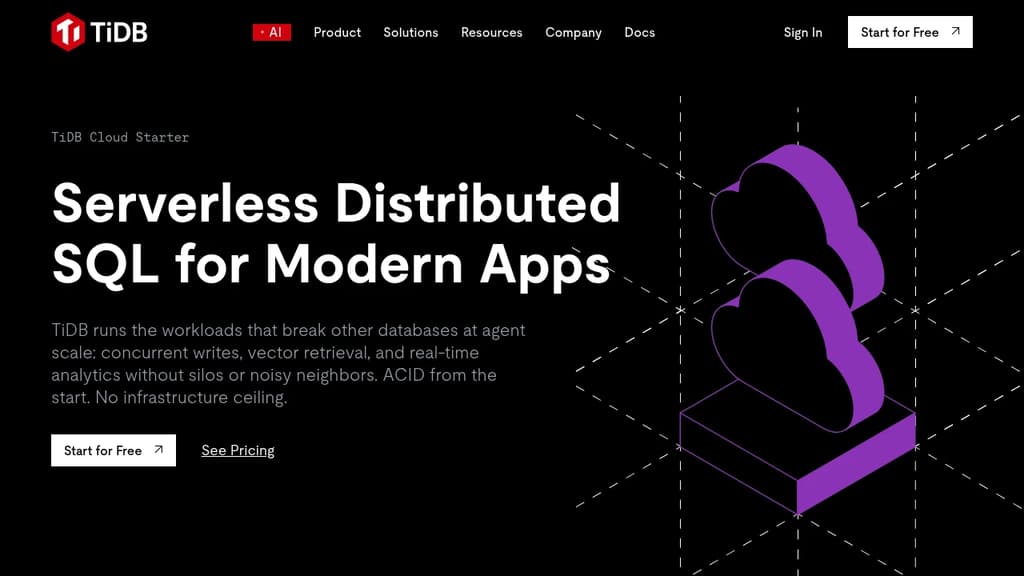
TiDB is a powerful, open-source distributed SQL database that seamlessly combines online transactional processing (OLTP) with online analytical processing (OLAP) workloads. This innovative database solution offers:
- Horizontal Scalability: Easily scale out to handle growing data volumes and user requests without sacrificing performance.
- High Availability: Built-in fault tolerance and automatic failover ensure your data is always accessible.
- Real-Time Analytics: Perform complex queries on fresh transactional data without impacting OLTP performance.
- MySQL Compatibility: Leverage existing MySQL ecosystems and skills with minimal migration effort.
- Cloud-Native Architecture: Designed for modern cloud environments, supporting containerization and orchestration.
- HTAP Capabilities: Handle both transactional and analytical workloads in a single system, eliminating data silos.
- Strong Consistency: Ensure data integrity with distributed transactions and ACID compliance.
- Flexible Deployment: Run on-premises, in the cloud, or in hybrid environments to suit your needs.
TiDB empowers businesses to make data-driven decisions faster, simplify their database infrastructure, and reduce operational costs. Whether you're dealing with large-scale e-commerce, financial services, or IoT data, TiDB provides the performance, scalability, and reliability needed for modern applications.

Turso provides a simple developer experience with SQLite compatibility, allowing you to build and scale multi-tenant applications with unlimited databases.
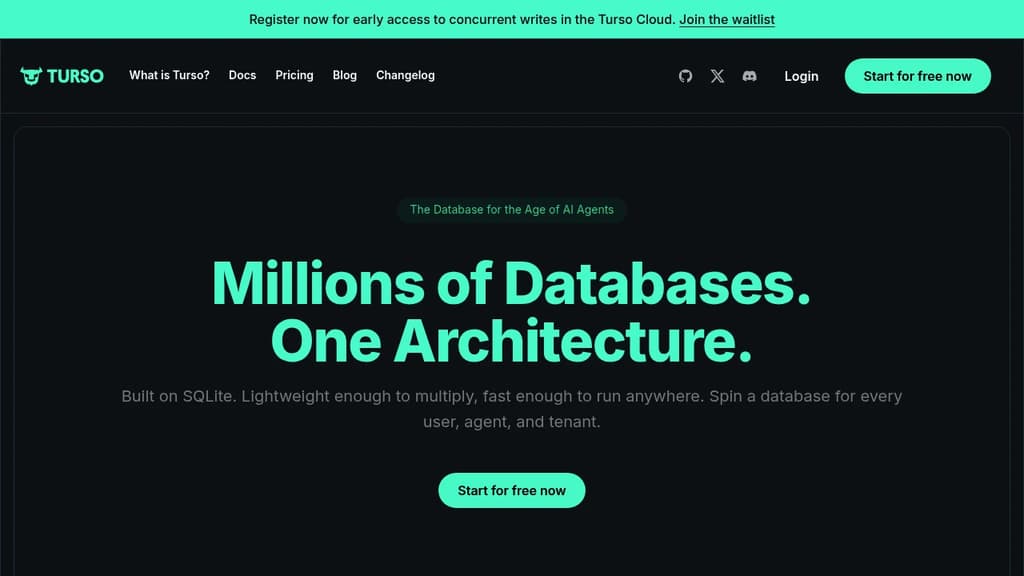
Turso is a powerful database solution designed for developers who want the simplicity of SQLite with the scalability needed for production environments.
Here's why Turso stands out:
-
Multi-tenant AI Applications: Turso enables you to create personalized LLM instances with infinite context windows using unlimited databases. This feature is perfect for building AI-powered applications that require separate data stores for each user or context.
-
On-Device Capabilities: Turso offers SDKs for mobile and on-device AI, allowing you to build powerful offline-capable apps across major platforms. You can optimize LLMs locally using Turso's SQLite-based database within your application, ensuring data privacy and reducing network latency.
-
Vector Search Integration: Seamlessly integrate Vector Embeddings with relational data in single transactions. This feature is crucial for AI and machine learning applications that require efficient similarity searches.
-
Open Source and Secure: Built on libSQL, an open-source SQLite-compatible database engine, Turso ensures your data is always portable. It offers encryption at rest and in transit, with SOC2 and HIPAA compliance available out of the box.
-
Developer-Friendly Experience: Enjoy a simple developer experience that feels like working with SQLite. Turso provides flexible development options, allowing you to work locally or remotely and deploy globally when ready.
-
Scalability and Performance: With features like automatic sync and programmable conflict resolution, Turso keeps your app data fresh and consistent across multiple instances. Its API-first approach and platform API enable efficient, programmatic database management at scale.
Whether you're building a complex AI application, a mobile app with offline capabilities, or a scalable multi-tenant system, Turso provides the tools and flexibility to meet your database needs while maintaining the simplicity developers love about SQLite.
Scalable, high-availability database system supporting OLTP, OLAP, and hybrid transactional/analytical processing workloads.
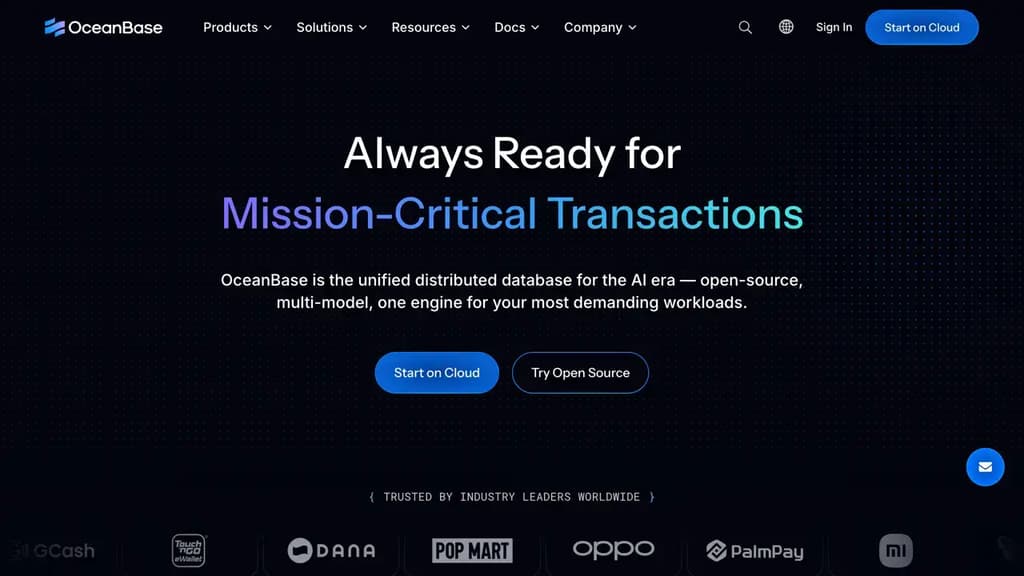
OceanBase is a cutting-edge distributed relational database management system designed to handle massive-scale data processing with unparalleled performance and reliability. Built to meet the demands of modern enterprises, OceanBase offers:
- Scalability: Easily scale out to handle petabytes of data and millions of transactions per second.
- High Availability: Multi-paxos consensus algorithm ensures 99.999% uptime and strong data consistency.
- Versatility: Supports OLTP, OLAP, and HTAP workloads, eliminating the need for separate systems.
- Cost-Effective: Significantly reduces hardware costs and operational complexity compared to traditional databases.
- Compatibility: Supports MySQL and Oracle protocols, facilitating seamless migration and integration.
- Real-Time Analytics: Perform complex queries on live transactional data without impacting performance.
- Multi-Tenancy: Efficiently isolate and manage multiple database instances within a single cluster.
OceanBase's innovative architecture combines the benefits of distributed systems with the familiarity of traditional relational databases, making it an ideal choice for organizations seeking to modernize their data infrastructure while maintaining operational continuity.

People are looking for alternatives to...
View all alternatives
Spotify

Claude Code

CapCut

Claude

Notion

Lovable
 Sent – Messaging Infrastructure for Developers. One API for SMS, WhatsApp, and RCS across 190+ countries.
 Sent
Sent