AgentOS vs Flowise AI
Learn how AgentOS and Flowise AI differ in their key features, development activity, technology
stack and community adoption, so you can decide which of these ai agent platforms is best for you.
Learn how AgentOS and Flowise AI differ in their key features, development activity, technology stack and community adoption, so you can decide which of these ai agent platforms is best for you.

AgentOS
Last 30 days
Last commit
8 hours agoRepository age
1 yearVersion
v0.15.27License
Apache-2.0Repository
framersai/agentos
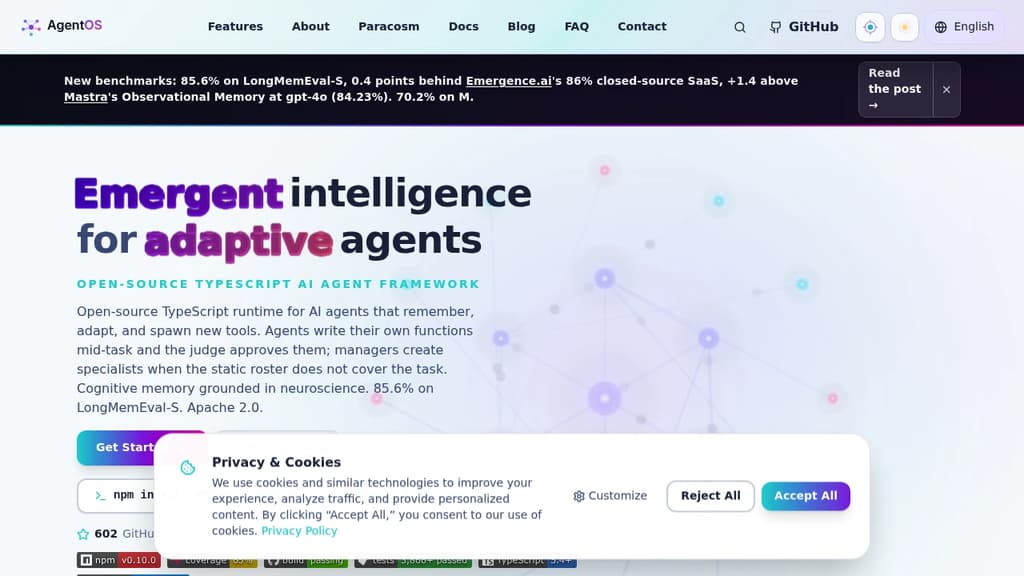

Flowise AI
Last 30 days
This repository was archived by the owner and is no longer maintained.
Last commit
3 months agoRepository age
4 yearsVersion
3.1.4License
Apache-2.0Self-hosted
YesRepository
flowiseai/flowise
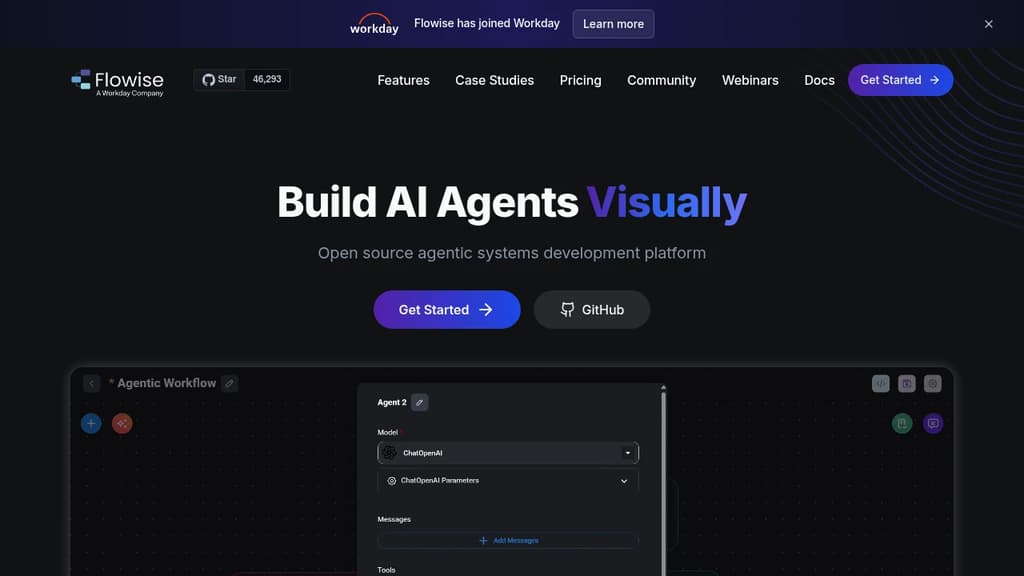
Detailed Comparison
Both AgentOS and Flowise AI have their unique strengths and serve similar purposes effectively. Consider your specific needs regarding popularity, growth, activity, technology, maturity, licensing and features when making your decision.
Both AgentOS and Flowise AI have their unique strengths and serve similar purposes effectively. Consider your specific needs regarding popularity, growth, activity, technology, maturity, licensing and features when making your decision.
Community & Popularity
Flowise AI significantly outpaces AgentOS in community adoption with 55,531 stars compared to 683 stars on GitHub. This 81.3x difference suggests Flowise AI has a much larger and more active community. In terms of developer contributions, Flowise AI has 25,080 forks, indicating strong developer engagement.
Growth Momentum
AgentOS is growing faster, adding 10 stars in the last 30 days (+1.5%) against adding 42 stars for Flowise AI (+0.1%). AgentOS is the smaller project of the two, so it is closing the gap rather than extending a lead.
Development Activity
AgentOS shows more recent development activity with its last commit 8 hours ago, while Flowise AI was last updated 3 months ago. This suggests AgentOS is being more actively maintained.
Technology Stack
Both tools share common technology foundations, being built with JavaScript, Typescript. However, they differ in their additional technology choices: Flowise AI leverages CSS, JSX, SCSS.
Project Maturity
Flowise AI has been in development longer, starting 4 years ago, compared to AgentOS which began 1 year ago. This 2.6-year head start suggests Flowise AI may have more mature features and established processes.
Licensing
Both projects use the Apache-2.0 license, providing identical terms for usage and distribution.
Use Cases & Features
Both tools serve similar use cases in AI Agent Platforms.
Hosting & Deployment
Flowise AI provides self-hosting options for complete data control and customization, while AgentOS may be primarily cloud-based or require different deployment approaches.


 InfluxDB – The purpose-built time series platform for high-velocity ingestion and real-time queries at scale.